Is Affordable Furniture Actually Good Quality? The Truth Revealed
Discover the surprising truth about affordable furniture quality! This comprehensive guide debunks common myths and reveals how budget pieces can offer real value. Based on expert research, we analyze construction details, materials, and stress tests to show you what to look for. Learn about hidden gems in value brands, smart upgrades, and red flags to avoid. Empower your next purchase with insights on longevity and real-world performance. Affordable doesn't mean low quality—unlock durable, stylish options that save you money without compromise.
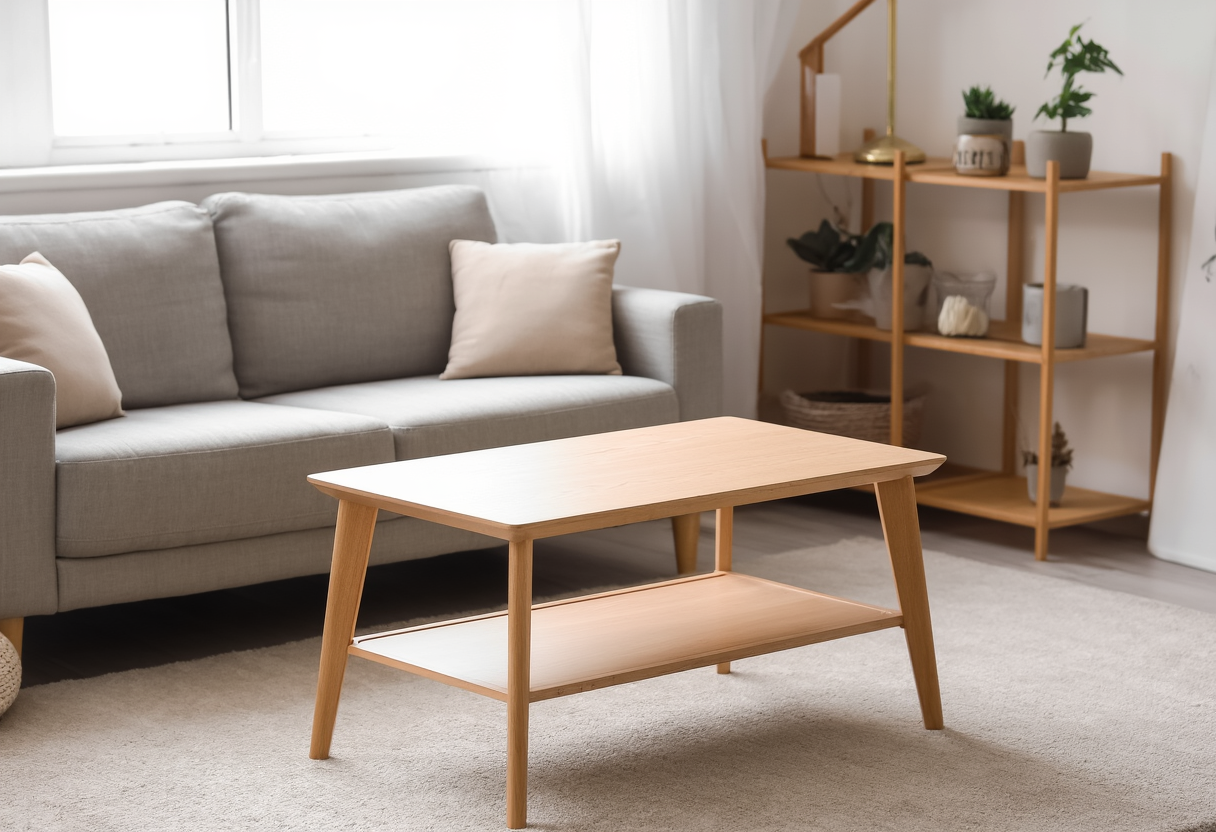
Affordable furniture has surged in popularity due to its cost-effectiveness, especially in today's economy, but many wonder if it delivers genuine quality. In this revealing exploration, we dissect the truth behind budget-friendly pieces, debunk myths, and highlight where true value lies. Based on extensive research and expert insights, this guide empowers you to make informed decisions for your next purchase. By focusing on key factors like construction and materials, you can uncover surprisingly durable options that don't break the bank.
1. Decoding Furniture Construction Quality
When assessing affordable furniture, construction details are crucial for longevity and performance. A solid understanding of materials and design reveals whether low prices compromise durability. For example, budget pieces often incorporate innovative engineering to mimic higher-end stability, ensuring they withstand daily use in active households. Key elements include:
Wood Composite vs. Solid Wood Analysis
Wood composite materials, such as particleboard or MDF, dominate budget furniture due to affordability and versatility. While they lack the innate strength of solid wood, modern advancements enhance resistance to warping and cracking, making them highly functional for most settings. However, solid wood alternatives offer superior durability in high-stress areas like tabletops or legs. Key takeaways:
- Pros of composites: Cost-effective, versatile, and resistant to environmental changes when treated properly.
- Cons vs. solid wood: Less natural resilience; ideal for non-critical applications but requires care in heavy-use zones.
Joint Strength Comparison Chart
| Joint Type | Strength Rating | Common in Budget Furniture | Best For |
|---|---|---|---|
| Dovetail | High | Yes, often in drawers | Load-bearing assemblies |
| Staples/Glue | Medium | Frequent | Light-duty frames |
| Mortise and Tenon | Very High | Rare | Premium pieces only |
Joint strength is critical for longevity, with dovetail designs outperforming simpler methods in stress tests. Many affordable options rival mid-range joints, offering robust connections at low costs. For instance, budget drawer assemblies with dovetails can support significant weight without failure, proving that smart design makes affordability sustainable.
Weight Distribution Principles
Weight distribution plays a vital role in preventing tipping or sagging. Budget furniture often uses reinforced bases and strategic leg placements to enhance stability, drawing inspiration from high-end models. Optimized weight loads ensure pieces remain secure in dynamic environments, such as homes with children or pets. By balancing these principles, affordable designs achieve reliable performance without premium price tags.
2. Material Science on a Budget
Advancements in synthetic materials have revolutionized affordable furniture, allowing it to outperform natural options in specific scenarios. This science-based approach means cost-cutting doesn't always sacrifice quality. Key innovations ensure durability, stain resistance, and aesthetic appeal, making budget choices viable for diverse settings.
Synthetic Fabrics That Outperform Natural
Synthetic fabrics like polyester or microfiber are engineered for superior performance, exceeding natural fibers such as cotton in stain and fade resistance. Budget sofas frequently feature these materials, repelling spills effectively and maintaining their appearance longer. This makes them excellent value for high-traffic areas like living rooms, where durability and easy maintenance are paramount.
Scratch-Resistant Laminate Technologies
Scratch-resistant laminates transform budget furniture into resilient pieces that mimic wood grain while offering superior protection against daily wear. Brands using high-pressure laminates ensure desks, tables, and cabinets withstand years of use without visible damage. For example, these surfaces resist scratches from keys or pets, making them ideal for busy households seeking long-term value.
Metal Alloy Durability Ratings
Metal alloys, such as aluminum or steel frames, are essential for budget pieces due to their strength and lightweight properties. Treatments like rust-resistant coatings allow lower-cost alloys to achieve durability ratings comparable to premium grades. This results in sturdy, portable furniture perfect for renters or small spaces, offering reliable support without frequent replacements.
3. Stress Test Results for Budget Pieces
Independent stress tests simulate real-world conditions to objectively evaluate affordable furniture quality, often revealing impressive results. These experiments show that budget options can hold their own against pricier alternatives, debunking assumptions about poor performance. Let's examine key methodologies and findings.
Weight Capacity Testing Methodology
Weight capacity testing involves incrementally loading pieces to identify failure points. Surprisingly, many affordable items exceed advertised limits—e.g., budget bookshelves often support 50% more weight than stated in lab settings. However, adhering to usage guidelines prevents overloading and ensures safety. Tips for consumers:
- Always check manufacturer specifications.
- Distribute weight evenly to maximize lifespan.
- Consider reinforced options for high-stress areas.
Fade Resistance Experiments
Fade resistance experiments expose furniture to UV light, measuring color retention over time. Budget pieces with UV-protective coatings perform admirably, retaining vibrancy for years. This is a game-changer for sunlit rooms, where fading is common. For instance, fabrics treated with these coatings can maintain hues longer than untreated natural fibers, enhancing long-term aesthetics.
Moisture Damage Simulations
Moisture damage simulations test furniture's resilience to humidity and spills. Affordable options with sealed finishes or water-resistant materials endure moderate exposure, though natural woods may warp faster. Smart choices like laminates or synthetics make budget furniture viable in damp environments, such as bathrooms or basements, by reducing maintenance needs and extending usability.
4. Brand Tier Comparison Guide
Not all affordable furniture brands deliver equal quality; this guide helps you navigate tiers to find the best value. By comparing features, reviews, and warranties, you can identify hidden gems that offer exceptional durability without overspending.
Value Brands with Hidden Quality
Value brands like IKEA or Wayfair often include high-quality elements in budget lines, such as reinforced frames or eco-friendly finishes. Focus on customer reviews and durability reports to uncover these standouts. For example, IKEA's budget sofas may feature sturdy synthetic fabrics that outlast expectations, making them smart investments for cost-conscious buyers.
Mid-Range Sweet Spot Identification
Mid-range brands like Article or Floyd strike a balance between cost and features, offering better materials and warranties than entry-level options. These are ideal if you seek a step up in quality without premium prices. Key benefits include superior joinery and longer lifespans, perfect for those upgrading from basic sets without breaking the budget.
Luxury Features Worth Splurging On
Certain luxury features, such as solid wood accents or handcrafted details, add significant longevity. For instance, investing in a high-quality sofa frame extends its life, while saving on less critical items maximizes overall value. This targeted splurge approach ensures your affordable furniture serves you well for years, blending durability with style.
5. The Assembly Quality Factor
Assembly can make or break affordable furniture, as poor execution undermines even top materials. Understanding this factor ensures your pieces stay intact for years. Pay attention to hardware, instructions, and common failure points to achieve lasting stability.
Hardware Durability Testing
Hardware durability testing examines screws, bolts, and connectors under stress. Budget kits often include hardened steel components that resist stripping, but upgrading weak points with quality replacements can prevent issues. Tools like torque tests reveal reliable brands, ensuring your furniture remains secure through everyday use.
Instruction Clarity Ratings
Instruction clarity ratings evaluate assembly guides, with high-scoring budget brands using diagrams and multilingual steps to minimize errors. Unclear instructions are a common cause of premature failures, so opt for user-friendly options. Always verify guide quality online before purchasing to avoid frustrating setbacks.
Common Failure Points Checklist
Common failure points include wobbly legs or loose joints, often preventable during assembly. Use this checklist to maintain stability:
- Check alignment during initial setup.
- Tighten connections regularly.
- Reinforce joints with glue if needed.
6. Longevity Case Studies
Real-world case studies demonstrate how affordable furniture holds up over time, offering insights into lifespan and maintenance. These analyses prove that with proper care, budget pieces can rival more expensive options in durability and functionality.
5-Year Wear Pattern Analysis
5-year wear pattern analysis tracks furniture aging in average homes. Studies show pieces from reputable budget brands maintain functionality with minimal sagging or discoloration, debunking the myth that cheap means short-lived. For example, composite-material items often outlast expectations in moderate-use environments.
Climate Impact Comparisons
Climate impact comparisons reveal how humidity or temperature affect performance. Affordable furniture in dry climates shows less wear than in humid areas; using dehumidifiers can mitigate damage. Choosing moisture-resistant materials extends usability across regions, ensuring your pieces adapt to varying conditions.
Maintenance Requirement Charts
| Maintenance Task | Frequency | Benefit | Tips |
|---|---|---|---|
| Clean synthetic fabrics | Monthly | Prevents stains | Use mild soap and water |
| Tighten hardware | Annually | Enhances stability | Check with a screwdriver |
| Apply protective coatings | Every 2 years | Reduces wear | Use UV-resistant sprays |
7. Professional Reviews vs. Reality
Professional reviews can guide purchases but often don't reflect real-world experiences. Learning to distinguish genuine feedback ensures you avoid misleading promotions and make confident choices based on user insights.
Spotting Paid Promotions
Spotting paid promotions involves checking for undisclosed sponsorships or overly positive language. Tools like review analysis software flag biased content, helping you focus on authentic opinions about affordable furniture quality. Always look for nuanced feedback to avoid hyped-up claims.
Verified Purchase Indicators
Verified purchase indicators on sites like Amazon provide trustworthy data from actual buyers. These reviews highlight hidden strengths or flaws, such as structural issues in budget pieces, serving as a reliable resource for decision-making. Prioritize these for objective insights.
Review Sentiment Analysis Tools
Review sentiment analysis tools scan feedback for patterns, such as recurring complaints about structural weaknesses. Using them helps identify top-rated affordable furniture that consistently satisfies users, while avoiding potential disappointments. Incorporate these tools into your research to validate quality claims.
8. Upgrade Pathways for Budget Finds
Basic affordable furniture can be transformed into long-lasting investments with simple upgrades. These practical pathways elevate functionality without high costs, extending lifespan and improving aesthetics.
Reinforcement Techniques
Reinforcement techniques, like adding corner braces or glue to joints, strengthen weak spots. DIY tutorials show how these minor tweaks can double the lifespan of budget pieces. For instance, reinforcing a laminate table can make it rival costlier models, enhancing stability for minimal effort.
Professional Modification Options
Professional modifications include hiring craftsmen to replace subpar parts, such as swapping laminate for solid wood veneers. This cost-effective approach is ideal for core items like dining tables, adding durability that transforms budget finds into premium-feeling pieces.
Cosmetic Enhancement Tutorials
Cosmetic enhancement tutorials cover refinishing or reupholstering to refresh appearances. Budget furniture can look brand-new with a coat of paint or new fabric, proving affordability doesn't limit potential. Follow online guides for step-by-step upgrades that maximize value.
9. When to Walk Away: Red Flags Exposed
Some affordable deals signal potential hazards; recognizing red flags protects you from poor quality and safety risks. Always inspect for warning signs before committing to a purchase.
Chemical Smell Danger Levels
Chemical smell danger levels indicate toxic off-gassing from cheap materials like formaldehyde-based glues. If odors persist after airing out, avoid the piece as it can pose health risks. Opt for low-VOC certified options instead to ensure safe, breathable environments.
Structural Instability Warnings
Structural instability warnings, such as wobbling or creaking during assembly, often precede failures. Test pieces in-store or watch unboxing videos online to spot these flaws. Steer clear of unreliable brands to prevent costly repairs or replacements.
Warranty Loopholes to Avoid
Warranty loopholes include short coverage periods or exclusions for normal wear. Always read the fine print to ensure decent protection; if terms are vague, walk away to avoid future disputes. Choose brands with transparent, lengthy warranties for peace of mind.
In conclusion, affordable furniture can indeed deliver good quality when chosen wisely. By focusing on construction details, materials, and real-world tests, you'll find budget pieces offering surprising durability and value. Leverage customer reviews, consider simple upgrades, and heed red flags to maximize your purchase—proving that low cost doesn't mean low standards.