Professional Groomers Say: Essential DIY Home Pet Grooming Tips for Safety and Savings
Discover how DIY pet grooming services can save you money and strengthen your bond with your furry companion, all while ensuring safety and well-being. Professional groomers share essential tips for at-home care, including the right tools, step-by-step bathing instructions, brushing techniques, nail trimming best practices, ear and eye routines, and how to handle common challenges. Learn when to seek expert help for optimal pet health. Start your grooming journey today for a happier, healthier pet!
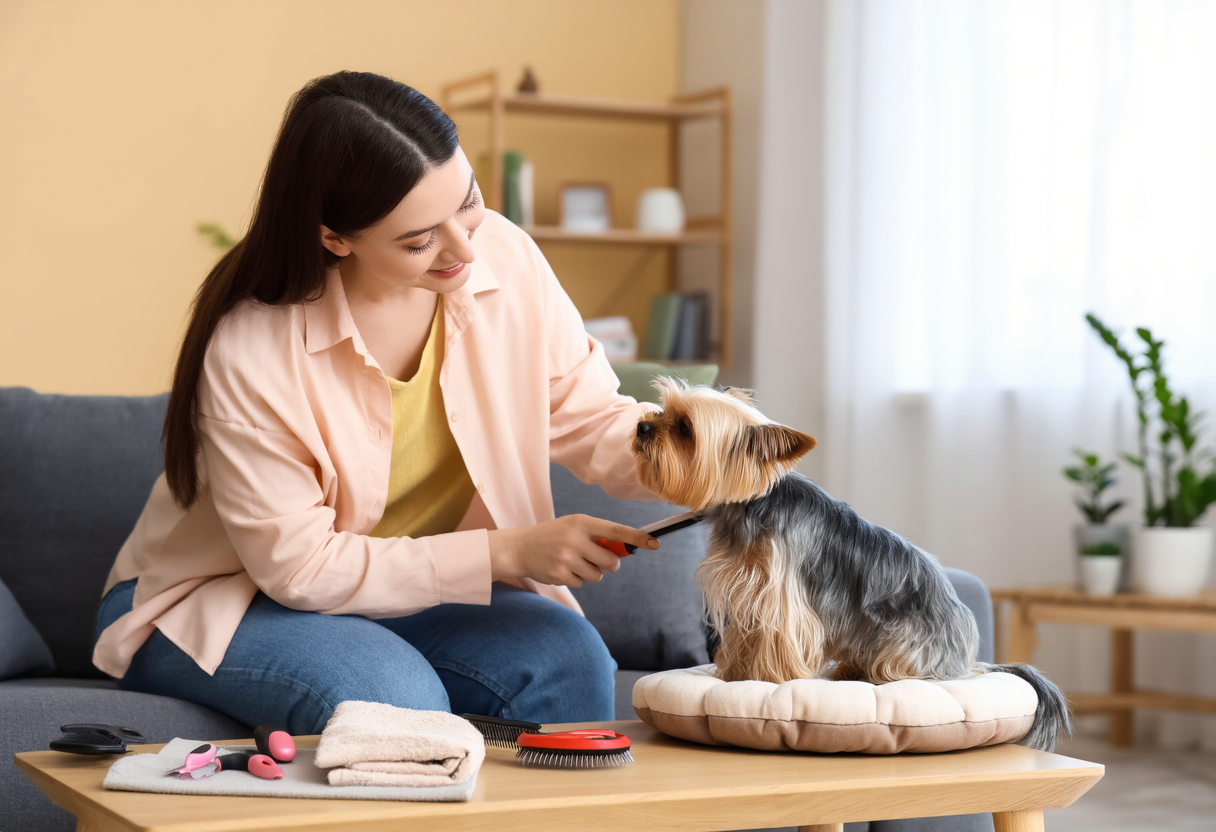
Introduction to DIY Pet Grooming
In today's fast-paced world, DIY pet grooming services offer a practical solution for cost savings and strengthening the emotional bond between owners and their pets. According to professional groomers, home grooming extends beyond basic tasks like nail trimming and baths—it encompasses a holistic approach to enhancing pet well-being affordably. By mastering DIY basics, you can maintain pet hygiene effectively while building trust through hands-on care. However, it's crucial to assess your pet's suitability: short-coated or calm pets thrive with regular home grooming, whereas those with medical issues or behavioral concerns may require waiting until you gain confidence.
Essential Tools for Home Grooming
- Brushes and combs tailored to coat type: Use slicker brushes for long-haired breeds and rubber brushes for short-haired pets to remove tangles gently.
- Pet-safe shampoos and conditioners: Opt for products free from harsh chemicals to prevent skin irritations during baths and ensure a soothing experience.
- Reliable clippers with adjustable settings: Choose quiet models to minimize anxiety during grooming sessions, providing a calmer environment for your pet.
- Sharp nail trimmers with safety guards: Prevent accidental cuts by using trimmers designed for pets, and always maintain clean, stored tools for optimal hygiene.
Step-by-Step Bathing Instructions
- Prepare your pet: Brush out mats before bathing and place a non-slip mat in the tub to reduce stress and prevent slips.
- Use lukewarm water: Maintain a temperature around 100°F to avoid scalding or chilling, and apply shampoo sparingly while massaging gently to cleanse without damaging skin.
- Thorough rinsing: Ensure all shampoo is rinsed out completely to prevent residue-related issues.
- Drying techniques: Start with towel-drying, then use a low-heat blow dryer while keeping it moving to prevent overheating and avoid skin problems like hot spots or infections.
Hair Brushing and Detangling Methods
- Regular brushing schedule: Brush at least 2-3 times weekly (daily for thick-furred breeds like Golden Retrievers) to prevent painful mats and tangles.
- Appropriate tools: Select pin brushes for wavy coats and de-shedding tools for double coats to efficiently manage shedding and maintain coat health.
- Handling knots: Work slowly with a detangling spray, teasing knots from the ends inward—never pull—to avoid discomfort or injury to your pet.
Nail Trimming Best Practices
- Identify the quick: Locate the pink vein inside the nail to avoid cutting into it, which can cause bleeding and pain.
- Trim small amounts: Cut at a 45-degree angle using pet-specific clippers for safety and precision.
- Positive reinforcement: Use treats and take breaks to build trust with resistant pets, stopping immediately if agitation occurs to maintain comfort.
Ear and Eye Care Routines
- Weekly ear cleaning: Use vet-approved solutions and cotton balls, avoiding deep insertion into the ear canal to prevent infections.
- Eye care: Wipe away discharge with damp cloths and monitor for redness or cloudiness as early signs of potential issues.
- Seek veterinary help: Consult a professional promptly if you notice unusual discharge or swelling to address health concerns quickly.
Handling Common Grooming Challenges
- Calming anxious pets: Incorporate grooming into playtime with positive reinforcement like treats to reduce stress.
- Managing double coats: Use specialized tools and schedule sessions during low-shedding periods for easier handling.
- Shedding season tips: Increase brushing frequency to control excess hair without overwhelming your pet.
When to Seek Professional Pet Grooming Services
- Complex situations: Seek experts for severe matting, breed-specific cuts, or underlying health issues to ensure pet safety.
- Signs requiring immediate attention: If your pet shows pain or infection during home care, consult professionals right away.
- Balanced approach: Combine DIY grooming with yearly professional visits for tasks like styling or dental cleanings to optimize care.
Top Tips from Experts for Long-Term Success
- Establish a consistent schedule: Tailor grooming frequency to your pet's specific needs, monitoring coat quality and behavior as health indicators.
- Continuous learning: Utilize online resources or workshops to learn advanced techniques safely, ensuring ongoing effectiveness.
- Rewarding outcomes: By following these tips, DIY pet grooming becomes a sustainable, enjoyable aspect of responsible pet ownership.