Did You Know Eco-Friendly Gardening Products Can Transform Your Garden Today?
Discover how eco-friendly gardening supplies can revolutionize your garden by reducing chemical use, boosting biodiversity, and conserving resources. Learn about organic fertilizers, biodegradable tools, and practical tips for sustainable practices that enhance plant health and environmental impact. Start your green journey today with easy-to-implement strategies for a thriving, eco-conscious garden.
Introduction to Eco-Friendly Gardening
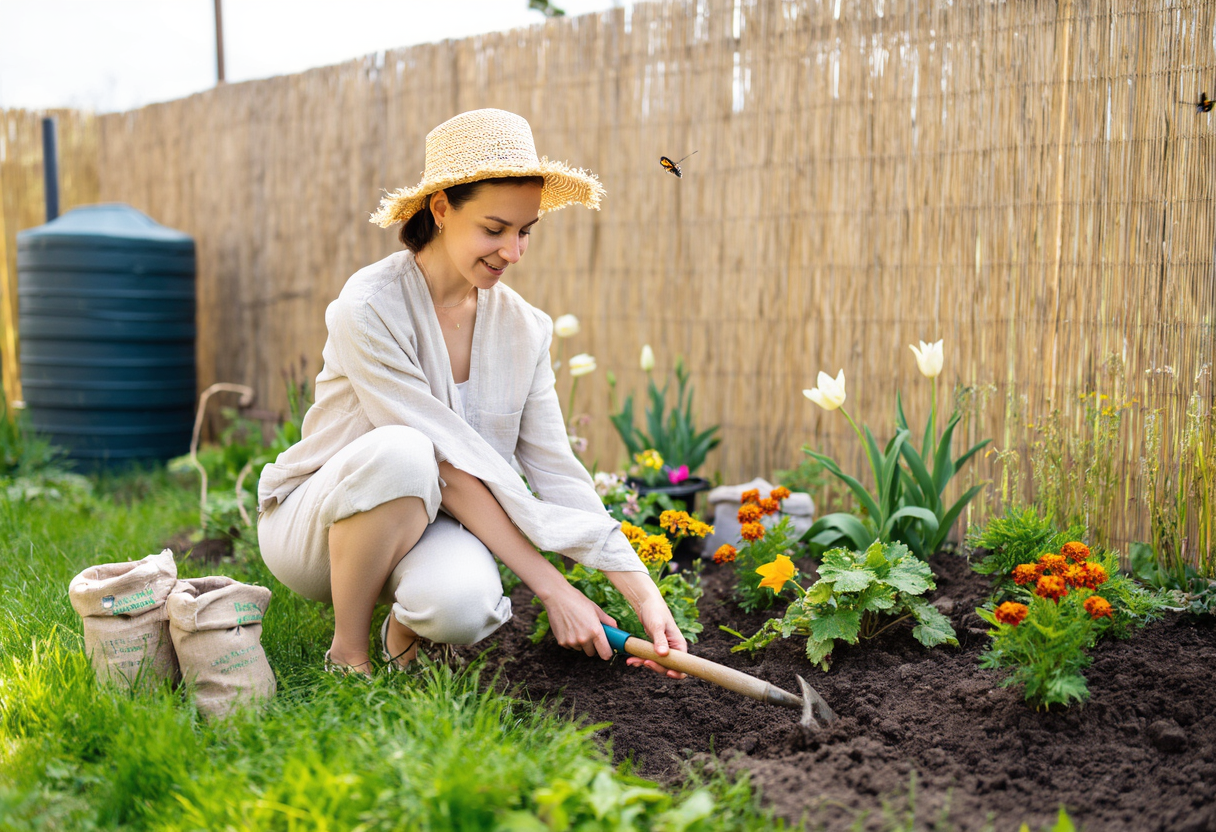
Did you know that eco-friendly gardening supplies can transform your garden today? As more people embrace sustainable living, these innovative products go beyond aesthetics to redefine your green spaces. Understanding their role is crucial as sustainability becomes increasingly vital in our daily lives, helping you create a healthier environment right in your backyard.
Key Benefits of Sustainable Gardening Supplies
Switching to eco-friendly gardening supplies offers multiple advantages that extend beyond your garden's appearance. Here's a closer look at the core benefits:
- Reduced Chemical Use: Traditional gardening often relies on synthetic fertilizers and pesticides, which can contaminate waterways and harm wildlife. By opting for organic alternatives like compost teas or neem oil, you protect local ecosystems while nurturing plants, leading to a healthier garden overall.
- Enhanced Biodiversity and Soil Health: Products such as organic mulches and natural soil amendments foster beneficial microorganisms and earthworms. For example, using compost from kitchen scraps enriches soil without disrupting its balance, resulting in robust, pest-resistant plants that create a vibrant ecosystem.
- Support for Environmental Conservation: Rising consumer demand for green alternatives reflects a commitment to combating climate change. This shift has spurred innovation in sustainable gardening supplies, with brands offering eco-conscious options that align with values of healthier planet support.
Types of Eco-Friendly Gardening Materials
Explore the diverse range of sustainable gardening supplies available to build a productive and environmentally friendly garden. These materials are categorized for easy understanding:
- Organic Fertilizers and Compost: Unlike synthetic versions, products like worm castings and seaweed extracts release nutrients gradually, improving soil structure over time without chemical buildup. This approach is ideal for gardeners seeking a low-impact, long-term solution.
- Recycled or Biodegradable Tools: Items such as bamboo rakes or recycled plastic watering cans reduce waste while maintaining functionality. Biodegradable pots made from coconut coir, for instance, decompose naturally, eliminating plastic pollution concerns.
- Native or Heirloom Seed Varieties: Choosing seeds adapted to your region minimizes intervention needs and attracts pollinators like bees and butterflies, enhancing biodiversity and environmental health.
How to Choose the Best Eco-Gardening Tools
Selecting the right sustainable gardening supplies involves key considerations to ensure effectiveness and environmental impact. Follow these guidelines for informed decisions:
First, look for certifications like USDA Organic or labels indicating recycled content. These verify that products meet stringent environmental standards, such as organic fertilizers being genuinely sustainable. Second, evaluate durability and performance by reading reviews or testing items in-store. High-quality eco-tools, like those from brands such as Fiskars, often outlast cheaper alternatives, reducing long-term waste. Finally, consider brand reputation; companies like Gardener's Supply Company offer innovative products, including solar-powered pruners, that make sustainable habits accessible.
Implementing Sustainable Gardening Practices
Integrate eco-friendly supplies into your routine with practical, step-by-step approaches for seamless adoption:
- Organic Pest Control: Use natural solutions like companion planting or introducing beneficial insects to deter pests without chemicals, creating safer spaces for families and pets.
- Water-Efficient Irrigation: Install systems like soaker hoses or smart timers to deliver water directly to roots, conserving up to 50% more water than traditional methods and promoting lush growth.
- Composting Techniques: Employ methods such as hot composting or vermiculture to transform kitchen scraps into nutrient-rich humus, establishing a closed-loop system that enhances soil naturally without synthetic inputs.
Overcoming Challenges and Future Trends
Address common obstacles in eco-gardening while exploring emerging innovations:
To overcome misconceptions about costs, start small—such as switching to organic fertilizers—and track progress to avoid overwhelm. Remember, while some eco-friendly items may have higher upfront prices, their long-term savings and benefits, like reduced replacement costs for durable tools, outweigh initial investments. Seasonal adjustments are also key; for example, use mulch in colder months to protect soil and adopt water-conserving techniques in summer.
Looking ahead, future trends include solar-powered tools and AI-driven irrigation systems, offering smarter ways to achieve sustainability. Stay informed by following resources like the National Gardening Association, which provides tips and success stories to inspire your journey. Real-world examples, such as urban farms reducing carbon footprints, highlight the collective impact of these practices.
Conclusion and Call to Action
Embracing eco-friendly gardening supplies is a commitment to a sustainable lifestyle that benefits both you and the planet. Start today by swapping synthetic products for organic alternatives and trying composting for quick garden improvements. Share your eco-journeys on social media to build a supportive community, and explore continuous education through books or workshops for ongoing guidance. Together, we can transform our gardens and our future with informed choices.