Must-Read: The Evolution of Sustainable Clothing – A Journey from Past to Future
Embark on a captivating journey through the evolution of sustainable clothing, from its 1960s roots to future innovations. Explore how environmental awareness sparked revolutions, technological breakthroughs like bamboo fabrics, and modern tools for avoiding greenwashing empower you. Discover actionable tips for ethical choices and the measurable impact on carbon reduction and biodiversity. Join the movement and transform your wardrobe into a force for good.
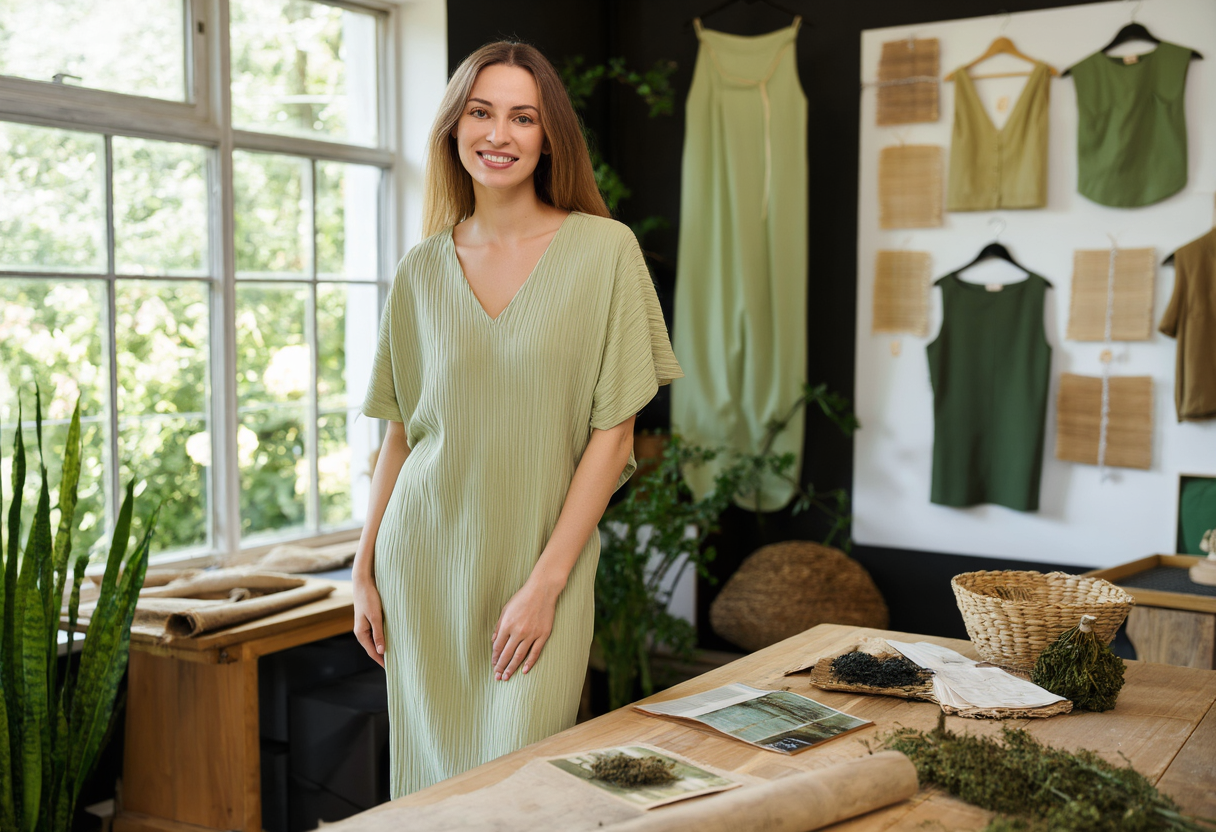
The Evolution of Sustainable Clothing: A Journey from Past to Future
The fascinating journey of sustainable clothing traces a remarkable evolution from grassroots environmental movements to cutting-edge global innovations, offering an essential guide for anyone passionate about eco-friendly fashion. This comprehensive exploration delves into the dynamic timeline, revealing how environmental consciousness reshaped the industry and empowers you with actionable insights to drive change.
Chapter 1: Origins in the 1960s-1970s
Marking the birth of sustainable clothing, the 1960s-1970s era witnessed a profound cultural shift driven by rising environmental movements. Growing concerns over pollution and resource depletion ignited challenges to conventional fashion norms, laying the groundwork for today's eco-conscious apparel. This period was pivotal in redefining values, as society began questioning industrial excesses and seeking alternatives that aligned with planetary health.
Key historical events, such as the first Earth Day in 1970, played a transformative role by mobilizing millions globally and spotlighting harmful industrial impacts. This surge in awareness inspired foundational discussions on sustainable alternatives in the textile sector, emphasizing the need for ethical solutions.
Early pioneers, including visionary designers, championed groundbreaking concepts like natural dyes and recycled fabrics, defying mainstream expectations. Despite facing widespread skepticism, their innovations demonstrated that sustainable clothing could blend style with ethics, paving the way for future developments.
However, initial challenges arose from ambiguity in defining sustainable fashion, as the term lacked clear standards and often confused consumers. This confusion slowed adoption, as brands struggled to differentiate genuine eco-efforts from marketing gimmicks.
In response, the rise of untreated cotton and other organic materials emerged as a practical solution, reducing chemical use and addressing environmental risks. This shift not only eased concerns but also catalyzed innovations, setting the stage for sustainable clothing's growth.
Chapter 2: Developments in the 1980s-1990s
Building on earlier foundations, the 1980s-1990s saw sustainable clothing expand through new materials and rising consumer interest, transforming niche ideas into mainstream trends. This era fostered a more structured approach, integrating eco-fashion into everyday life through accessible solutions and educational campaigns.
The introduction of fabrics like organic cotton gained traction as consumers became aware of pesticide health risks. Brands ramped up sourcing, making sustainable clothing more appealing and affordable for shoppers.
Similarly, fair trade practices emerged, addressing social equity by ensuring fair wages and safe working conditions. This holistic approach strengthened sustainable clothing by linking environmental care with human rights, enhancing its societal appeal.
Early certifications, such as the Soil Association's organic label, established credibility and transparency, helping consumers identify trustworthy products. These frameworks boosted confidence in the burgeoning market.
- Consumer education campaigns, like documentaries on textile waste, shaped demand by highlighting long-term eco-benefits.
- This awareness gradually shifted purchasing habits, preparing the industry for technological advancements.
Chapter 3: Technological Breakthroughs in the 2000s
Technological breakthroughs in the 2000s accelerated sustainable clothing adoption through innovations in eco-friendly fabrics, making green fashion scalable and efficient. This era harnessed science to overcome past limitations, driving mass-market viability and setting new ethical benchmarks.
Advancements in bamboo and hemp fabric revolutionized the industry; these materials proved highly renewable, biodegradable, and resource-efficient. Bamboo, for instance, grew rapidly with minimal water, offering soft, durable alternatives for sustainable clothing lines.
Global certifications like the Global Organic Textile Standard (GOTS) became mainstream, providing rigorous environmental and social criteria. This standardization simplified choices for consumers, ensuring sustainable clothing met high ethical standards.
Moreover, reductions in water and energy usage were achieved via technologies like closed-loop dyeing systems, which recycled wastewater and dramatically cut production footprints.
Case studies of brands like Eileen Fisher showcased real-world success with initiatives such as take-back recycling programs, proving that eco-practices enhance loyalty and profitability in sustainable clothing.
Chapter 4: Brand Revolution in the 2010s
The 2010s witnessed a surge in sustainable brands transforming the market as consumer demand for ethical options soared, turning eco-fashion into a powerful industry force. This revolution emphasized mission-driven approaches and digital engagement.
Top brands like Patagonia led by embedding sustainability into core missions, using recycled materials and promoting repair over replacement. Their leadership inspired new entrants, expanding sustainable clothing's reach.
Marketing strategies highlighting environmental benefits resonated deeply with buyers, with campaigns on carbon-neutral shipping and transparent supply chains educating the public on footprint reduction.
Consumer reviews on platforms like Good On You became influential, empowering shoppers to compare ethical credentials and pressure companies to improve sustainable clothing offerings.
The impact of social media amplified awareness as influencers shared eco-fashion tips, driving viral trends and accelerating mainstream acceptance of sustainable clothing.
Chapter 5: Current Methods for Identification in the 2020s
Today's methods provide practical ways to verify eco-friendly clothing, helping consumers navigate the market confidently. This knowledge is crucial for avoiding pitfalls and making informed decisions in sustainable clothing.
Learning to identify certifications like GOTS or Fair Trade ensures authenticity through third-party verification, guiding purchases toward strict environmental standards.
Tools and apps such as Good Guide allow users to scan products for material origins, offering instant data on sourcing ethics and tracing sustainable clothing's journey from farm to wardrobe.
- Avoiding greenwashing requires relying on watchdog groups that expose false claims.
- Comparing brand sustainability reports with independent audits helps spot discrepancies.
Real-life examples highlight risks, such as fast-fashion brands exaggerating eco-efforts; authentic sustainable clothing brands provide detailed transparency, while fakes lack evidence.
Chapter 6: Environmental Impact in the Present Era
Current environmental impacts demonstrate measurable benefits of sustainable fashion on ecosystems, proving its critical role in combating climate change. This data underscores the urgency of adopting eco-practices in sustainable clothing.
| Impact Area | Benefit | Statistic |
|---|---|---|
| Carbon Footprint | Reduction in emissions | Up to 50% cut via organic farming |
| Water Savings | Pollution control | Billions of liters saved annually with waterless dyeing |
| Waste Minimization | Recycling initiatives | Tons diverted from landfills through programs like H&M's drives |
| Biodiversity | Long-term protection | Pesticide-free cotton preserves habitats and species |
Chapter 7: Future Trends and Innovations from the 2030s Onward
Future trends promise even greater efficiency and accessibility in sustainable clothing, with emerging advancements set to dominate. This forward-looking vision excites innovators and consumers alike, focusing on circularity and tech integration.
Biodegradable materials and circular economy models will make sustainable clothing truly zero-waste, with fabrics decomposing naturally and fibers reused in production.
Advancements like AI-driven production will optimize resource use; algorithms predicting demand can slash overstock, enhancing affordability for sustainable clothing.
Predictions indicate industry growth, with sustainable clothing potentially capturing 20% of the market by 2030 as awareness fuels expansion.
Global policies supporting sustainable development will accelerate change, with stricter regulations on textile waste incentivizing brands to normalize sustainable clothing.
Chapter 8: The Consumer's Evolving Role
Your evolving role empowers you to drive change in sustainable clothing, turning everyday actions into collective impact. Personal choices shape the industry's future, making eco-fashion a lifestyle commitment.
- Daily habits: Wash clothes in cold water or air-dry to extend life and reduce strain.
- Support ethical brands: Research certifications and choose transparent companies.
- Advocacy tips: Share knowledge on social media or join sustainability groups.
- Long-term commitments: Pledge to buy only second-hand or eco-certified items for a greener planet.
Conclusion
In conclusion, the evolution of sustainable clothing from past to future showcases human ingenuity and responsibility. By understanding this journey, you can actively participate in creating a more ethical and eco-friendly world, one wardrobe choice at a time.