Discover Effective Home Workout Routines Without Equipment
Unlock the power of home fitness with no equipment needed! This comprehensive guide explores effective bodyweight workout routines that build strength, endurance, and overall health. Learn key exercises like push-ups and squats, sample weekly plans for cardio and strength, and tips on optimizing space and nutrition. Overcome common challenges such as motivation dips, track your progress, and advance with techniques like plyometrics. Backed by data and practical advice, this approach saves time and money while delivering real results—perfect for beginners and pros alike. Start your journey to a healthier you today!
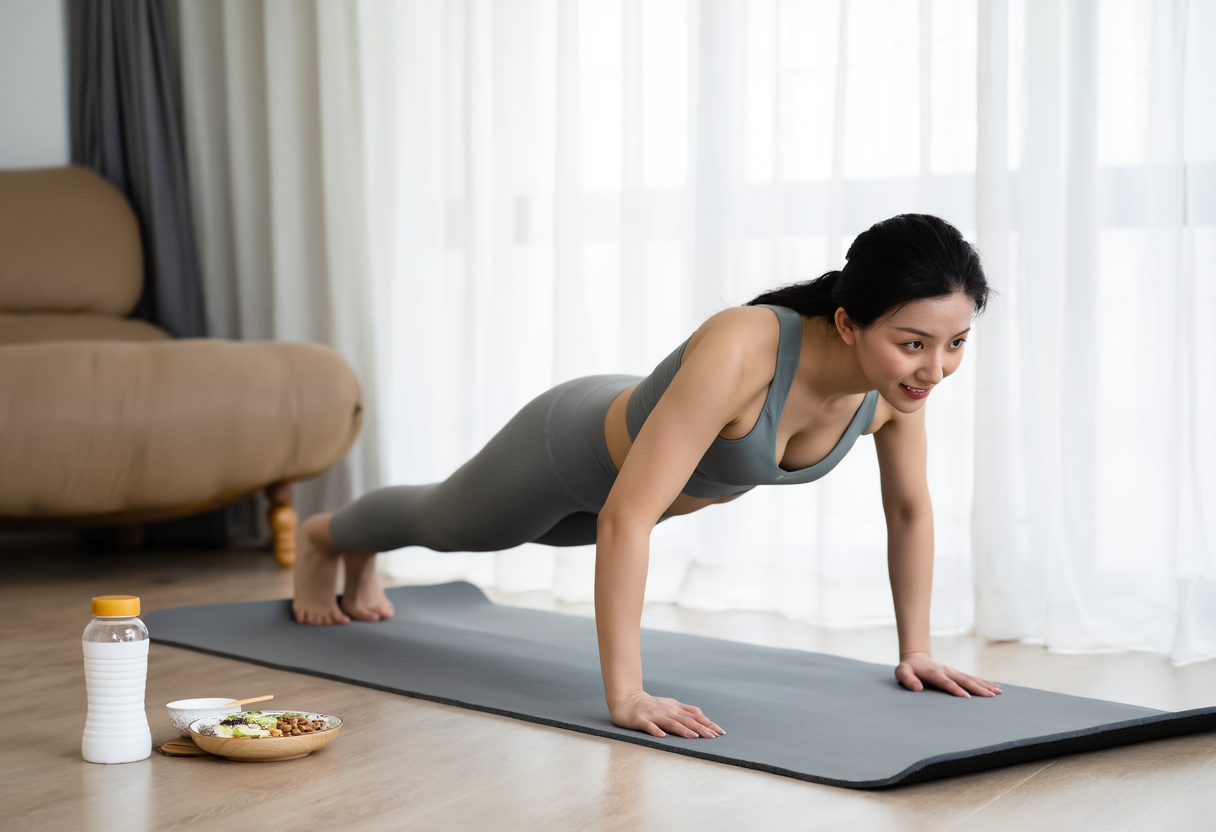
INTRODUCTION: DISCOVERING EFFECTIVE HOME WORKOUT ROUTINES WITHOUT EQUIPMENT
In today's fast-paced world, discovering effective workout routines that require no equipment is a game-changer for fitness enthusiasts. Bodyweight exercises offer unparalleled accessibility, allowing anyone to build strength and endurance right from their living room—no costly gym memberships or bulky gear needed. Beyond convenience, these routines deliver tangible benefits like improved cardiovascular health and muscle tone. Studies show a 40% increase in home workout searches over the past two years (source: Google Trends), highlighting their growing popularity. Plus, you save time and money by eliminating commutes and fees. Safety is paramount: start with beginner tips, such as warming up properly to prevent injuries, and gradually build intensity. Embrace this flexible approach to achieve fitness goals sustainably.
KEY BODYWEIGHT EXERCISES EXPLAINED
Mastering fundamental moves is essential for creating efficient workout routines that target multiple muscle groups. Top exercises include push-ups for chest and arms, squats for legs and glutes, and planks for core stability, with difficulty levels ranging from beginner to advanced. Modifications allow customization for all fitness levels—for example, wall push-ups for novices or single-leg squats for experts. Proper form is crucial to avoid injuries; maintain a straight spine during squats and controlled movements throughout. Understanding these foundational exercises ensures effective routines that maximize results without equipment.
| Exercise | Target Muscles | Difficulty Level | Modifications |
|---|---|---|---|
| Push-ups | Chest, Arms, Shoulders | Medium | Wall push-ups (beginner), Decline push-ups (advanced) |
| Squats | Legs, Glutes, Core | Beginner | Chair squats (low impact), Jump squats (advanced) |
| Planks | Core, Back, Shoulders | Advanced | Knee planks (beginner), Side planks (variation) |
| Lunges | Legs, Glutes, Balance | Medium | Stationary lunges (starter), Walking lunges (challenging) |
| Mountain Climbers | Core, Cardio, Full Body | Medium | Slow pace (beginner), High intensity (advanced) |
SAMPLE HOME WORKOUT PLANS
Structured routines are vital for achieving fitness goals, so let's explore adaptable weekly plans. A balanced schedule might include HIIT on Mondays for cardio, strength-building on Wednesdays, and active recovery on Fridays. Mix in variations like bodyweight circuits or household items—such as a chair for step-ups—to keep workouts engaging and prevent boredom. This approach ensures variety while maximizing efficiency, helping you stay motivated and consistent. Adhering to a plan tailored to your time and energy levels fosters long-term commitment and better results.
| Day | Focus | Duration | Example Exercises |
|---|---|---|---|
| Monday | Cardio (HIIT) | 20 minutes | Jumping jacks, High knees, Burpees |
| Wednesday | Strength | 30 minutes | Push-ups, Squats, Planks |
| Friday | Active Recovery | 15 minutes | Yoga stretches, Light walking, Foam rolling |
| Weekend | Flexibility/Mix | 20 minutes | Lunges, Mountain climbers, Core twists |
MAXIMIZING SPACE AND EFFICIENCY
Optimize small areas for effective workouts by focusing on compact setups; even a tiny apartment corner can host exercises like lunges or mountain climbers. For spaces under 5x5 feet, ideal movements include squats or jumping jacks. Time-saving strategies involve combining exercises into supersets—such as pairing push-ups with planks—to boost efficiency. Use household items creatively: a towel for resistance bands or a wall for support during balances. Create a distraction-free zone to stay focused, ensuring your workout routines adapt seamlessly to your living environment for maximum impact and convenience.
NUTRITION FOR HOME FITNESS SUCCESS
Support your workout routines with smart eating habits to fuel performance and recovery effectively. Diet essentials include protein-rich foods like chicken or beans for muscle repair and complex carbs for sustained energy. Hydration is key; aim for at least 8 glasses of water daily. Pre- and post-workout snacks—such as a banana or yogurt—help maintain energy levels without overeating. Neglecting nutrition can hinder progress, so balance intake with activity to avoid pitfalls like fatigue or plateaus.
| Nutrition Type | Examples | Recommended Servings | Timing |
|---|---|---|---|
| Protein | Chicken, Beans, Greek Yogurt | 2-3 servings/day | Post-workout for recovery |
| Complex Carbs | Oats, Sweet Potatoes, Whole Grains | 3-4 servings/day | Pre-workout for energy |
| Hydration | Water, Electrolyte Drinks | 8+ glasses/day | Throughout the day |
| Healthy Fats | Avocado, Nuts, Olive Oil | 1-2 servings/day | With meals for balance |
COMMON CHALLENGES AND SOLUTIONS
Overcome obstacles like motivation dips to sustain consistency in your home fitness journey. Dwindling enthusiasm is common, but solutions include setting small, achievable goals—such as completing 10-minute sessions—or using apps like MyFitnessPal for accountability. Without a gym environment, staying committed involves scheduling workouts like appointments and emphasizing injury prevention through proper warm-ups. Adapting for limited time means breaking sessions into manageable blocks, turning everyday hurdles into wins for long-term success.
- Motivation Dips: Set micro-goals (e.g., increase reps weekly) and use reward systems.
- Time Constraints: Break workouts into 10-minute blocks; integrate movement into daily tasks.
- Injury Risks: Always warm up for 5-10 minutes; focus on form over speed.
- Accountability Gaps: Join online fitness communities or partner with a virtual buddy.
TRACKING PROGRESS AND RESULTS
Measure gains to stay motivated and ensure your workout routines deliver tangible outcomes. Key indicators include strength improvements (tracked weekly via reps), weight loss (monitored monthly), and endurance levels. Setting realistic goals—such as increasing push-up count by 10% in a month—helps avoid burnout. Use apps like Strava for instant feedback, and celebrate even small wins, like holding a plank longer, to boost long-term commitment and insight into effectiveness.
ADVANCED TECHNIQUES FOR PROGRESSION
Level up your workout routines for better fitness outcomes by incorporating intensity without equipment through methods like plyometrics (e.g., jump squats) or tempo variations (slower reps for muscle building). Add balance and flexibility elements, such as yoga poses, to enhance overall wellness. Community support from online groups provides encouragement, leading to long-term health impacts like reduced stress and improved heart health. Progression keeps workouts challenging and rewarding, motivating you to push limits.
CONCLUSION: EMBRACING HOME FITNESS
To wrap up, no-equipment workout routines offer sustainable benefits like cost savings, versatility, and accessibility. Recap advantages—from eliminating gym fees to adapting routines anywhere—and take action with our sample plan. For quick answers, FAQs cover topics like best workout times, and resources like fitness blogs offer deeper exploration. By embracing these routines, you invest in a healthier, happier life. Start today with our guide and see the difference!