How to Optimize Your Sleep Environment: Bedding Tech Compared
Transform restless nights into rejuvenating slumber with our expert guide to cutting-edge sleep aids. We dive deep into comparisons of smart mattresses, wearable trackers, non-wearable sensors, lighting systems, and more, highlighting pros, cons, and key features from top brands like Eight Sleep, Oura Ring, and Philips Hue. Discover how to build a personalized tech stack for optimal sleep quality, combat disruptions, and boost overall well-being. Start optimizing your sleep sanctuary today for long-term health benefits!
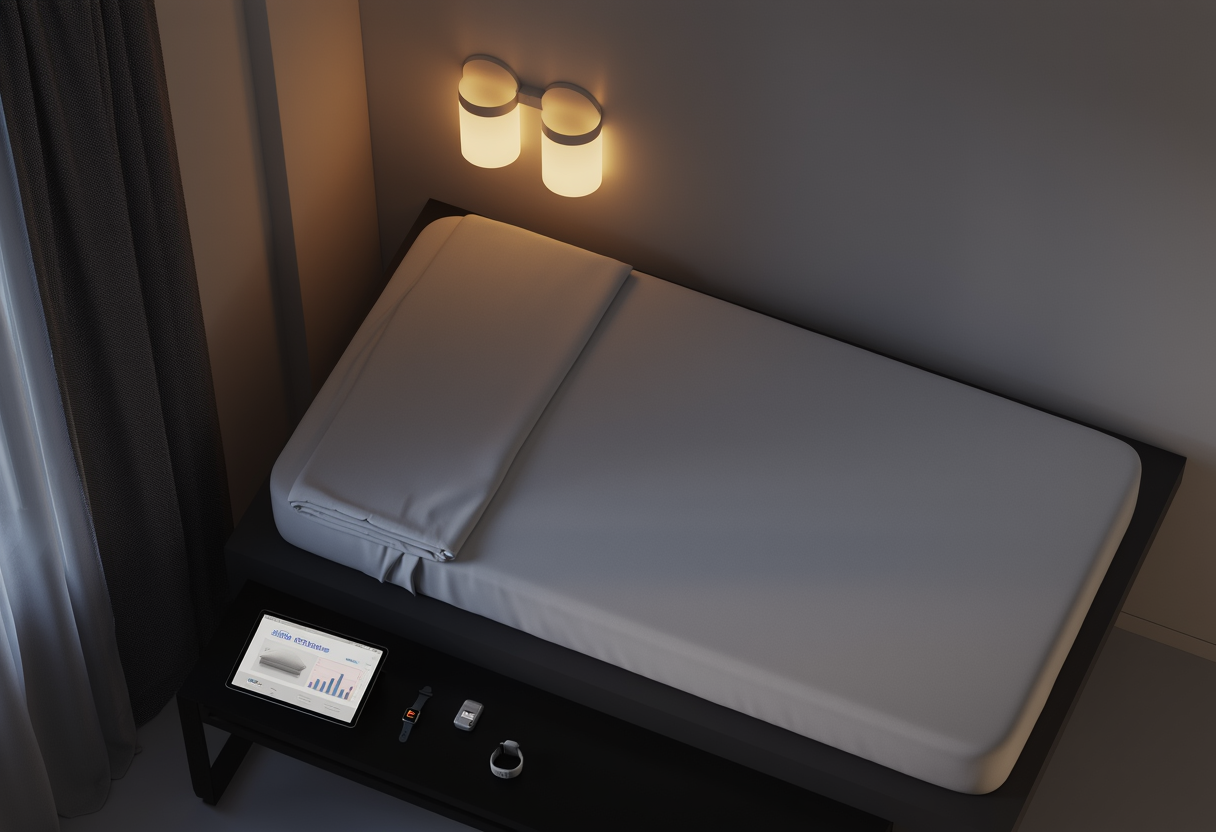
How to Optimize Your Sleep Environment with Advanced Bedding Technology
In today's fast-paced world, optimizing your sleep environment is absolutely essential for achieving peak health and well-being. Modern sleep aids, including innovative devices like smart beds, wearable trackers, and environmental accessories, have revolutionized the way we rest, making it easier than ever to enjoy truly restorative nights. This comprehensive guide cuts through the noise by comparing the latest bedding technologies, empowering you to make informed decisions and find the perfect solutions tailored to your unique needs. Whether you're battling insomnia, night sweats, or urban noise, these tools can transform your sleep into a rejuvenating sanctuary.
Understanding Modern Sleep Technology
Modern sleep technology encompasses a diverse range of innovative devices designed to meticulously monitor and enhance sleep quality. Key players include smart beds, wearable trackers, and non-intrusive environmental accessories, all of which track critical metrics such as REM sleep stages, sleep disruptions, and heart rate variability (HRV). This data provides deep, actionable insights into your nocturnal patterns, helping identify areas for improvement. Crucially, integration with broader health ecosystems like Apple Health or Google Fit allows for seamless data analysis, turning raw numbers into personalized advice for better rest. For instance, by syncing with these platforms, users can spot trends and adjust habits to combat common issues like fragmented sleep or low sleep efficiency.
Smart Mattresses: A Head-to-Head Comparison
Smart mattresses represent a game-changing category in sleep aids, with brands like Eight Sleep and Sleep Number leading the industry. These advanced beds go beyond basic comfort by incorporating features that actively regulate temperature and firmness, addressing core issues like overheating or restless tossing. Below, we compare their key aspects to help you choose the best fit:
| Feature | Eight Sleep | Sleep Number |
|---|---|---|
| Core Technology | Utilizes water-based systems for dynamic cooling or warming of the bed surface, ideal for temperature-sensitive sleepers. | Relies on adjustable air chambers to customize firmness levels, offering personalized support. |
| Sleep Data Accuracy | Excels in consistency, especially for restless sleepers, with reliable HRV tracking based on independent tests. | Provides dependable metrics but may lag slightly in detecting subtle movements during intense sleep phases. |
| Durability & Warranty | Features a 10-year guarantee with advanced cooling innovations, though it may require more maintenance over time. | Boasts robust 25-year coverage but is prone to occasional air leak issues, which can affect long-term performance. |
| Best Suited For | Hot sleepers seeking superior cooling to manage night sweats and discomfort effectively. | Individuals prioritizing customizable firmness and extended warranty protection for peace of mind. |
For those struggling with heat-related disruptions, Eight Sleep often emerges as the top choice due to its unparalleled cooling capabilities. Conversely, Sleep Number appeals to users focused on long-term durability and tailored support. By evaluating these factors, you can invest in a mattress that not only enhances comfort but also integrates smoothly with your overall sleep ecosystem.
Wearable Sleep Trackers: Precision and Performance
Wearable sleep trackers add another layer of precision to your sleep optimization toolkit, with popular options like the Oura Ring and Fitbit offering distinct advantages. These devices monitor vital signs such as heart rate and blood oxygen levels, providing detailed feedback on sleep stages. Here's a breakdown of their key differences:
- Oura Ring: Employs advanced PPG sensors for high-fidelity monitoring, delivering exceptional accuracy in sleep stage detection. Its battery lasts up to a week per charge, ensuring comfortable all-night wear, and it excels in providing tailored insights based on recovery metrics to optimize daily habits.
- Fitbit: Uses simpler optical sensors that can falter during intense movements but integrates well with fitness apps. Battery life often requires frequent recharging, and its broader approach, including step goals, may distract from sleep-focused objectives, making it less ideal for data-driven optimization.
Sleep coaching algorithms play a vital role here; Oura's targeted recommendations help users refine routines for better rest, while Fitbit's versatility suits those juggling multiple health goals. For detailed sleep optimization, the Oura Ring shines as the superior choice, transforming complex metrics into actionable daily improvements.
Non-Wearable Sensors: Hassle-Free Monitoring
Non-wearable sensors offer a convenient alternative as sleep aids, minimizing nighttime interference while delivering robust data on sleep patterns. Top examples include Withings and Emfit, each with unique strengths:
- Withings: Uses under-mattress pads for comprehensive monitoring, syncing seamlessly with smart home systems like Alexa for voice-controlled routines. This integration enhances convenience but may involve more setup.
- Emfit: Opts for bedside devices that detect vibrations and movements, excelling in distinguishing between multiple sleepers to reduce false alarms in shared beds. Its standalone simplicity with strong app features makes it user-friendly for couples.
For households with partner disturbance concerns, Emfit's ability to differentiate sleepers is invaluable. Both sensors create a peaceful, tech-enhanced environment without compromising comfort, proving essential for uninterrupted rest.
Smart Lighting Systems: Regulating Circadian Rhythms
Smart lighting systems like Philips Hue and Caseta elevate the sleep environment by automating schedules that regulate circadian rhythms, promoting natural melatonin production. A comparison highlights their key benefits:
| Aspect | Philips Hue | Caseta |
|---|---|---|
| Customization | Offers extensive circadian lighting sequences, simulating natural light shifts for improved wake-up experiences, with deep app functionality for intricate automations based on sleep data. | Provides straightforward, easy-to-set routines via app, ideal for users seeking simplicity without advanced features. |
| Effectiveness | Data shows significant improvements in reducing grogginess, especially beneficial for shift workers with irregular schedules due to its superior flexibility. | Delivers reliable sunrise simulation but may lack the adaptability needed for highly variable routines. |
Philips Hue stands out for its adaptability, helping reset internal clocks and combat fatigue, while Caseta appeals to those prioritizing ease of use. Both systems contribute to a more refreshing morning routine by aligning light exposure with your body's natural rhythms.
White Noise Machines: Combating Urban Noise Pollution
White noise machines serve as essential sleep aids by masking disruptive sounds like sirens or traffic, with Hatch and Dohm offering distinct approaches:
- Hatch: Boasts a wide sound profile customization range—from gentle rains to fan noises—tunable via app. It holds baby sleep certifications for nursery use, making it family-friendly and highly portable with travel modes.
- Dohm: Produces mechanical white noise that's consistent and natural-sounding, trusted for its simplicity, though it lacks specialized safety certs and features a bulkier build.
Urban dwellers will appreciate both devices for their non-intrusive solutions, but Hatch's compact design and versatility make it a top pick for those on the go or in family settings.
Climate Control Solutions: Managing Overheating
Climate control solutions like ChiliPad and BedJet tackle overheating by actively managing bed temperature, acting as powerful sleep aids for heat-related issues. Their key features include:
- ChiliPad: Uses water-cooled pads for rapid, even cooling across the mattress, offering deeper temperature drops for intense needs like menopause-related night sweats.
- BedJet: Employs air-based systems that blow cool air under sheets, excelling in energy efficiency and featuring an intuitive interface for easy nightly scheduling.
Energy consumption comparisons show BedJet as more efficient, while ChiliPad provides targeted relief for severe heat management. Both integrate with apps to streamline routines, ensuring a comfortable sleep environment year-round.
Data Integration Platforms: Unifying Sleep Insights
Data integration platforms like Apple Health and SleepScore bring together fragmented sleep data into cohesive insights, serving as comprehensive sleep aids:
| Platform | Strengths | Considerations |
|---|---|---|
| Apple Health | Excels in cross-device synchronization accuracy, merging inputs from various trackers into one dashboard with strong end-to-end encryption for top-tier privacy. | Ideal for users embedded in the Apple ecosystem, offering seamless data security against breaches. |
| SleepScore | Provides proprietary algorithms generating personalized recommendations based on extensive sleep research, with high privacy ratings. | While user-friendly, it may not integrate as broadly as Apple Health, limiting its appeal for non-tech-savvy individuals. |
Tech-savvy users benefit most from these platforms, as they empower informed adjustments to sleep habits without confusion, turning data into actionable steps for better rest.
Building Your Optimal Tech Stack
Creating your optimal tech stack involves combining these sleep aids into a cohesive system that fits your budget and lifestyle. Start with budget-friendly combos, such as pairing a wearable tracker like the Oura Ring with a white noise machine like Hatch—this setup offers affordability under $300 without sacrificing key features. For a DIY integration approach, sync devices through central apps like Apple Health and configure automations, such as smart lights dimming at bedtime based on tracker data. This personalized approach ensures your sleep environment evolves to meet your specific needs, maximizing comfort and efficiency.
Evaluating Effectiveness: A 30-Day Protocol
To gauge the impact of your sleep aids, follow a structured 30-day protocol: Track key metrics like sleep duration and disruptions weekly using your devices; adjust settings based on data insights; and document improvements in a sleep journal. This hands-on method allows you to refine your setup iteratively, ensuring continuous optimization for restful nights. For example, note how temperature adjustments or noise masking reduce awakenings, providing tangible evidence of progress.
Conclusion: Transform Your Sleep Sanctuary
Ultimately, optimizing your sleep environment with advanced bedding technologies can turn restless nights into rejuvenating slumber. By experimenting with different combinations—such as smart mattresses for temperature control, trackers for data insights, and lighting for circadian alignment—you can build a personalized sanctuary that supports long-term health and vitality. Monitor results diligently to fine-tune your approach, and embrace these innovations for a brighter, more energetic tomorrow. Remember, small tweaks today lead to profound benefits over time.