Learn Essential Interior Decor Tips for Small Space Optimization
Transform your cramped living spaces into stylish, functional havens with these must-know interior design strategies for small homes. Discover expert tips on maximizing space through efficient layouts, enhancing rooms with smart lighting solutions, choosing color schemes that visually expand areas, selecting compact furniture, implementing decluttering techniques, avoiding decor pitfalls, and embracing budget-friendly styling ideas. Learn how to save energy and money while creating a brighter, more inviting environment—start optimizing every inch today!
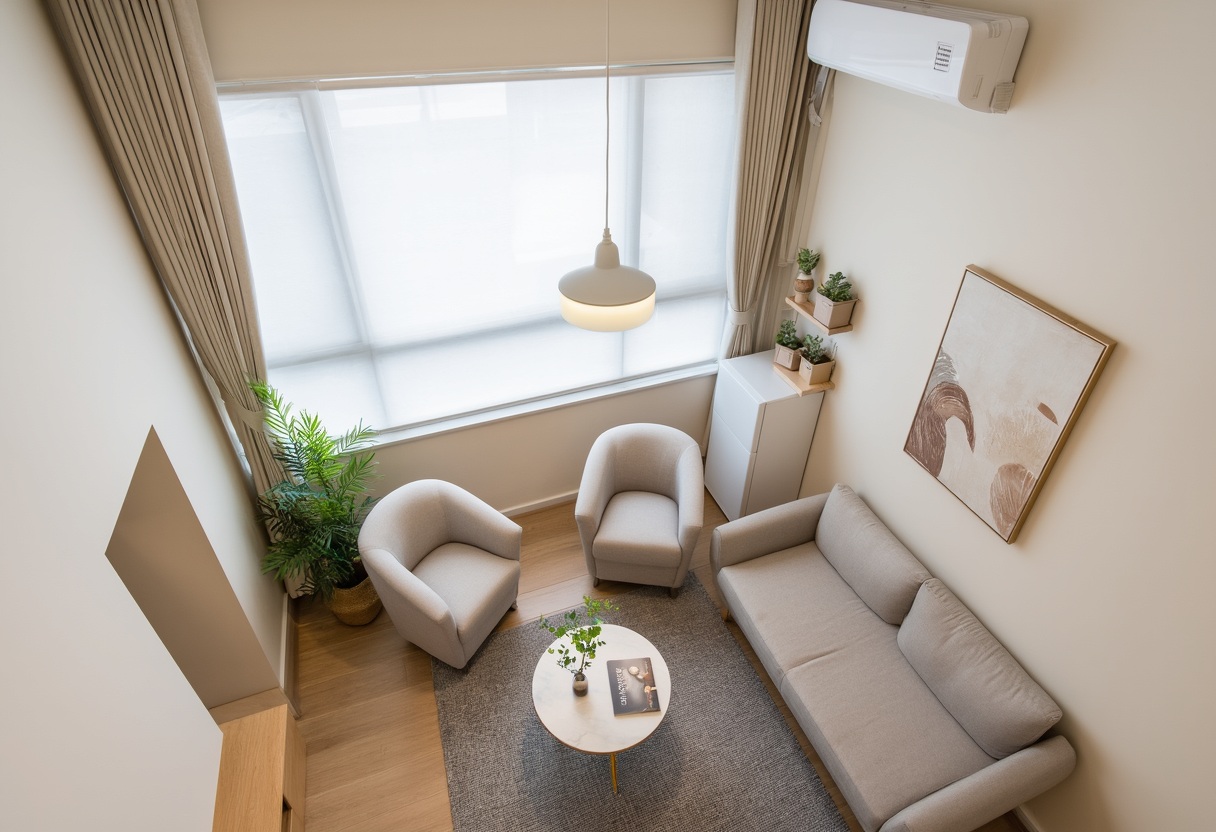
Living in a compact home doesn't mean compromising on style or comfort. By mastering small space interior design, you can transform cramped quarters into cozy, functional havens that elevate your daily life. This comprehensive guide dives into essential tips for optimizing every inch, covering key strategies like layout efficiency, lighting enhancements, color choices, furniture selection, decluttering methods, decor avoidance, and affordable upgrades. Apply these approaches to enhance functionality, save energy and money, and create a spacious, inviting atmosphere in your home.
Chapter 1: Maximizing Space Efficiency in Compact Areas
- Choose multi-functional furniture: Opt for pieces like sofa beds, storage ottomans, or extendable tables that serve multiple purposes to free up floor space and reduce clutter.
- Utilize vertical storage solutions: Install floating shelves, tall cabinets, or wall-mounted racks to capitalize on wall space, creating an illusion of height and decluttering surfaces.
- Embrace open floor plans: Remove unnecessary partitions or use minimal furniture arrangements to foster seamless transitions between areas, enhancing flow and making rooms feel larger.
Chapter 2: Lighting Solutions to Enhance Small Rooms
- Use mirrors to amplify light: Place them opposite windows or light sources to reflect natural or artificial illumination, brightening dark corners and altering perceptions of size.
- Incorporate LED fixtures: Select energy-saving options like recessed lighting, under-cabinet LEDs, or smart bulbs for ample brightness without high utility costs.
- Choose appropriate window treatments: Install sheer curtains or minimalist blinds to maximize daylight penetration while maintaining privacy, reinforcing openness.
Chapter 3: Color Schemes for Visual Expansion
- Opt for light wall colors: Use whites, creams, or soft pastels to reflect light and create an airy, open atmosphere that expands the sense of space.
- Adopt monochromatic palettes: Stick to variations of a single hue across walls, furniture, and decor to eliminate visual chaos and foster harmony.
- Add accent walls: Select a bold but complementary color on one wall to draw the eye inward, creating depth and the illusion of more room.
Chapter 4: Furniture Selection for Limited Areas
- Choose foldable and stackable options: Pick items like collapsible chairs or nesting tables that can be easily stored to free up room when not in use.
- Select furniture with built-in storage: Look for beds with drawers, benches with hidden compartments, or coffee tables featuring shelving to maximize utility without adding bulk.
- Pick scale-appropriate items: Opt for low-profile sofas, slim-legged chairs, or narrow consoles that fit proportionally to maintain balance and prevent a cramped look.
Chapter 5: Decluttering Strategies for Neatness
- Purge unused items regularly: Schedule seasonal clean-outs to donate or discard unnecessary belongings, keeping surfaces clear and functional.
- Implement organizational systems: Use labeled bins, baskets, or drawer dividers to categorize belongings for efficient access and storage.
- Utilize hidden storage: Slide organizers under beds, sofas, or cabinets to discreetly stow infrequently used items and maintain a tidy appearance.
Chapter 6: Decorative Elements to Avoid in Tight Spaces
- Avoid oversized decor: Steer clear of large sculptures or bulky rugs; instead, choose smaller statement pieces that add charm without dominating the area.
- Prevent cluttered shelves: Limit displayed items to a few curated objects and use vertical displays to avoid chaos and maintain order.
- Shun dark patterns: Avoid busy prints or heavy textiles on walls or upholstery, as they absorb light and create visual weight that makes rooms feel confined.
Chapter 7: Budget-Friendly Interior Styling Ideas
- Hunt for thrift store finds: Look for unique vintage items like lamps, chairs, or art to add character at low cost.
- Engage in DIY projects: Customize items through handmade cushions, repainted furniture, or simple shelf builds to personalize your space affordably.
- Repurpose existing items: Turn old crates into storage boxes or jars into organizers for a sustainable, resourceful approach.
In summary, mastering these essential interior decor tips can revolutionize your small home, making it feel larger, brighter, and more functional. By embracing strategies like efficient layouts, smart lighting solutions, and clutter control, you'll create a stylish and practical environment that maximizes every square foot. Start applying these ideas today to enjoy a spacious, inviting living experience that saves energy and enhances comfort.