Experts Say: 7 Essential Pet Grooming Basics Every Beginner Owner Should Master
As a new pet owner, mastering essential grooming basics is key to your pet's health and happiness. Experts reveal 7 must-know techniques, from bathing and brushing to nail trimming and ear cleaning, that prevent common issues like infections and anxiety. Learn how to avoid mistakes, build a grooming kit, and know when to seek professional pet grooming services. Start today to strengthen your bond and ensure a thriving furry companion!
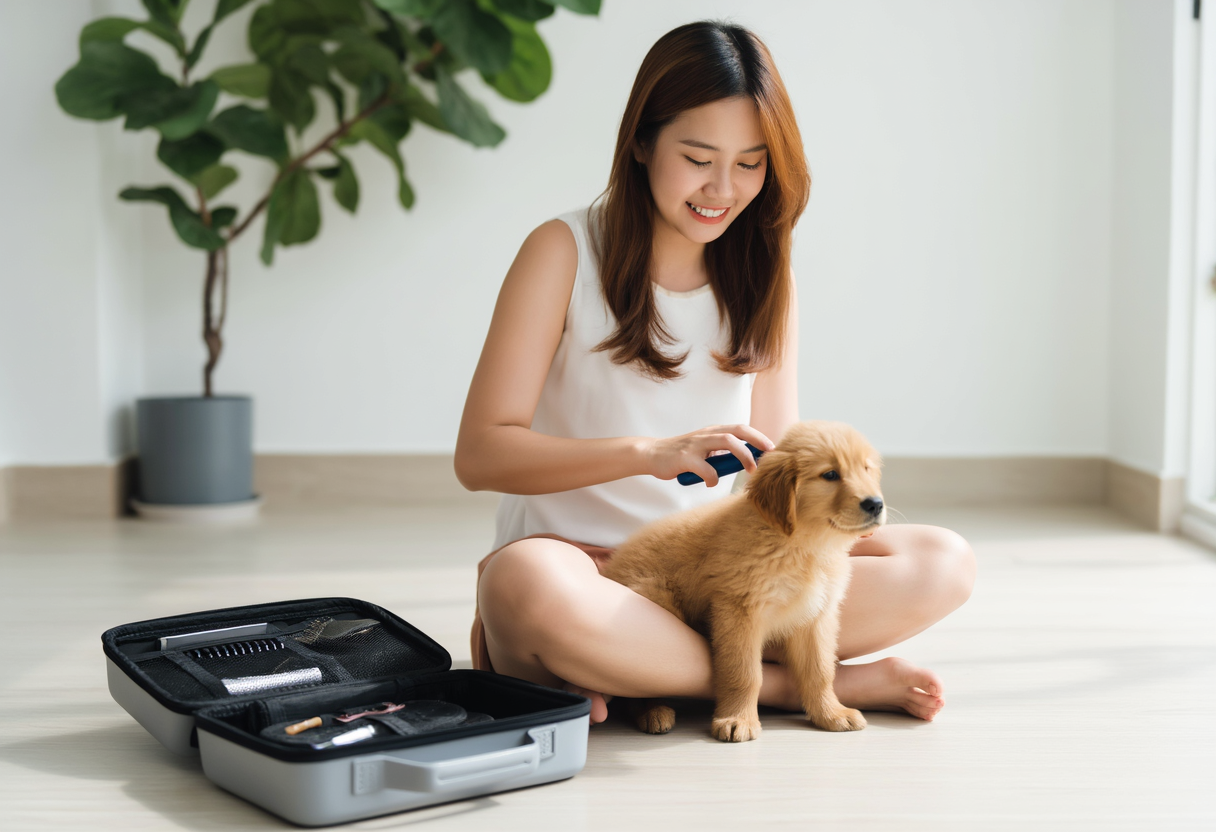
Experts Say: 7 Essential Pet Grooming Basics Every Beginner Owner Should Master
As a beginner pet owner, mastering essential grooming basics is absolutely crucial for your pet's overall health, happiness, and well-being. Experts like veterinarians and professional groomers consistently emphasize that regular, consistent care not only prevents long-term health issues such as skin diseases and infections but also significantly strengthens the invaluable human-pet bond through positive, trust-building interactions.
Introduction to Pet Grooming
- Recognize how consistent grooming wards off common problems like skin diseases by removing dirt and parasites that cause infections.
- Daily brushing improves behavior and reduces anxiety, fostering a deeper emotional bond through calm, positive sessions.
- Establish a routine schedule based on your pet's breed and lifestyle, such as weekly brushing for long-haired dogs or monthly baths for indoor cats.
Bathing Your Pet Effectively
- Select the right shampoo tailored to your pet's skin type, such as hypoallergenic formulas for sensitive skin, to protect against irritation and allergies.
- Prevent water anxiety by gradually introducing your pet to baths with treats and praise in a calm environment to minimize stress.
- Ensure thorough rinsing and gentle drying methods, using towel-drying or a low-heat dryer for fluffy coats, to avoid discomfort and residue buildup.
Brushing and Detangling Fur
- Maintain a healthy coat by using the best tools for different fur types, like slicker brushes for long-haired breeds to manage tangles and bristle brushes for short-haired pets to distribute natural oils evenly.
- Handle tangles carefully by working from the ends towards the skin, applying a detangling spray to soften mats before gently combing them out.
- Adhere to frequency recommendations, such as daily brushing for high-shedding dogs to reduce matting and weekly sessions for low-maintenance breeds to keep fur shiny and debris-free.
Nail Trimming Safety
- Prevent injuries by choosing the right tools, like guillotine clippers for precise cuts or grinders for gradual filing, which are safer than improper scissor-like options.
- Identify the quick—the pink vein inside the nail—to avoid bleeding; trim small amounts at a time just below this point for a painless experience.
- Use calming strategies for nervous pets, such as trimming during nap times or using treats as distractions to build confidence and make it a smooth routine.
Ear and Eye Cleaning Routines
- Safeguard your pet's senses by recognizing early signs of ear infections, like redness or odor, prompting immediate action to prevent complications.
- Clean ears and eyes gently using soft methods, such as cotton balls dampened with vet-approved solutions, to remove debris without causing irritation.
- Follow recommended cleaning frequency—weekly for floppy-eared breeds and monthly for others—using specialized products to protect against buildup and maintain hygiene.
Common Grooming Mistakes to Avoid
- Avoid over-bathing, which strips natural oils and causes dry skin; instead, stick to ideal intervals like every 4-6 weeks for most pets.
- Prevent mats and skin infections through proactive brushing and regular checks, especially in breeds prone to tangles.
- Steer clear of using incorrect tools by researching breed-specific recommendations to avoid unnecessary harm and worsening issues.
DIY vs Professional Options
- Evaluate when to seek professional pet grooming services for situations like severe matting or breed-specific cuts that require expert handling for safety and precision.
- Save costs as a DIY enthusiast by investing in a basic home kit and learning from online tutorials covering routine tasks like bathing and nail trimming.
- Choose a reliable groomer by checking reviews and certifications, ensuring quality care tailored to your pet's unique needs.
Building a Pet Grooming Kit
- Assemble essential tools starting with must-have items like brushes, clippers, and absorbent towels to create a versatile kit for efficient home grooming.
- Utilize budget-friendly alternatives, such as human-grade combs for small pets or repurposed household items, making starter kits affordable without sacrificing effectiveness.
- Ensure proper storage and maintenance by keeping tools clean and dry in a dedicated bag to extend lifespan and guarantee hygienic, stress-free sessions.
Expert Final Advice
- Incorporate grooming into daily routines to turn it into a bonding ritual, like quick brushings during playtime, making it manageable and enjoyable for both you and your pet.
- Monitor your pet's health during grooming sessions for early detection of issues like lumps or rashes, always consulting a veterinarian for unusual signs to catch problems before escalation.
- Build a lifelong foundation by starting small and staying consistent, remembering that professional pet grooming services are available for complex needs to ensure your furry companion thrives.