Is Your Cat's Toy Age-Appropriate? The Ultimate Comparison Guide!
Choosing the right cat toys for your pet's age is crucial for their health and happiness. This comprehensive guide compares age-specific pros and cons, from stimulating kittens with educational toys to comforting seniors with low-impact options. Learn about interactive and stationary toy differences, DIY ideas, and common mistakes to avoid. With expert recommendations, ensure playtime is safe, engaging, and purr-fectly tailored to every life stage!
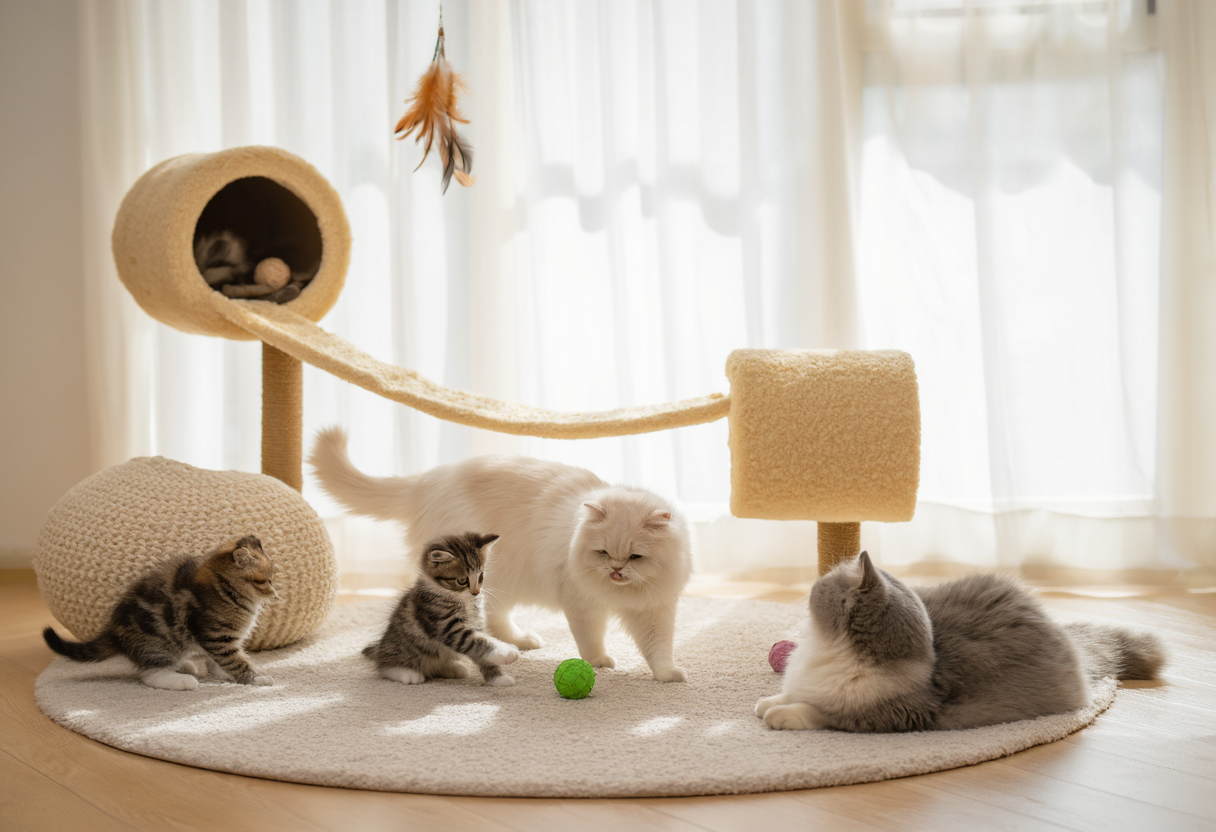
Have you ever worried that your cat's favorite plaything might not suit their age? This comprehensive guide explores why selecting age-appropriate cat toys is essential for your feline's health, happiness, and overall well-being. Covering everything from playful kittens to relaxed seniors, we'll help you make informed choices to boost their development and prevent risks like injuries or boredom. Remember, matching toys to life stages ensures a safer, more joyful play experience for your beloved pet!
Why Age Matters in Cat Toy Selection
Selecting the right cat toys isn't just about fun—it's about aligning with your cat's developmental stages to meet their evolving play needs. For instance, kittens are in a rapid growth phase where lightweight, educational toys promote motor skills and curiosity. Adults, in their prime, require mentally stimulating options to burn energy and prevent behavioral issues, while seniors face mobility challenges and benefit from low-impact activities. Energy levels vary dramatically across life phases: kittens burst with high energy, seniors have reduced tolerance, and adults balance both. Providing mismatched toys can lead to risks like injuries, stress-induced anxiety, or under-stimulation. By choosing age-appropriate options, you support optimal health and enrich daily routines for a happier feline companion.
Kitten Toys: Stimulation vs Safety Pros and Cons
| Aspect | Pros | Cons |
|---|---|---|
| Safety Features | Lightweight and easy to handle, reducing injury risks; ideal for fostering learning and coordination through playful exploration. | Require close supervision due to fragility and potential choking hazards from small parts; this vigilance is essential during energetic play. |
| Developmental Benefits | Educational tools like feather wands spark curiosity and support early motor skill development without overwhelming young cats. | Can lead to overexcitement if overly stimulating, demanding extra time and attention from owners to ensure safe usage. |
Adult Cat Toys: Engagement Differences Explored
| Aspect | Pros | Cons |
|---|---|---|
| Mental Stimulation | Durable and challenging toys, such as puzzle feeders, stimulate problem-solving skills and reduce boredom, keeping cats engaged during prime years. | Risk of overstimulation, especially for high-strung breeds, leading to stress and anxiety if play intensity isn't personality-matched. |
| Interaction Level | Options like laser pointers offer interactive fun that burns energy efficiently, strengthening bonds with owners through shared activities. | Can become monotonous if not varied, potentially causing disinterest and requiring frequent rotation to maintain appeal. |
Senior Cat Toys: Comfort and Limitations Compared
| Aspect | Pros | Cons |
|---|---|---|
| Comfort Focus | Low-impact activities, such as plush toys, soothe issues like arthritis by providing gentle comfort without straining joints. | Reduced activity tolerance and sensory decline make it easy to under-stimulate seniors, leading to lethargy and disengagement. |
| Accessibility | Quiet, easily accessible options like padded scratchers support safe movement and encourage light exercise for overall well-being. | Limited variety can result in boredom, necessitating careful selection to avoid toys that are too demanding or uninteresting. |
Interactive Toys Comparison Across Ages
Interactive cat toys vary widely by life stage, requiring tailored designs to match energy and cognitive levels. For kittens, short-session toys with simple features avoid overwhelming young minds while encouraging gradual development. Adult-optimized versions, like automated wands, offer complexity and longer playtimes to challenge intellect and sustain engagement. Conversely, senior-suitable options prioritize quiet, easy-access elements to accommodate slower movements, ensuring safety and enjoyment. Always observe your cat's reactions to adjust intensity—this prevents mismatched play that could cause stress or disinterest.
Stationary Toys: Benefits and Drawbacks by Age
| Age Group | Benefits | Drawbacks |
|---|---|---|
| Kittens | Encourage movement for healthy growth when paired with dynamic play; simple designs help build coordination. | Potential boredom and underdevelopment if used alone; static toys lack the stimulation needed for rapid learning phases. |
| Adults | Offer independence and cost-effectiveness, such as scratching posts that fulfill natural instincts without constant owner involvement. | Can lead to neglect if not engaging enough; adults may ignore them if they don't provide mental challenges. |
| Seniors | Provide stability and minimal effort, such as soft resting pads that support low-energy routines and joint comfort. | Risk of inactivity if too simplistic; seniors need gentle stimulation to maintain mobility and mental sharpness. |
DIY Toy Ideas Tailored to Each Life Stage
- Kittens: Homemade crinkle balls using recycled materials (e.g., foil and fabric) for sensory stimulation; these projects are budget-friendly and promote safe exploration while building creativity.
- Adults: Cardboard mazes and treat dispensers that challenge problem-solving skills; DIY options keep them entertained and mentally engaged without high costs.
- Seniors: Craft padded resting pads from soft fabrics like fleece for added comfort; these provide cozy, low-effort play that soothes aging joints during quieter years.
Common Age-Selection Mistakes and Solutions
A frequent error is overstimulating kittens with advanced cat toys meant for adults, which can cause anxiety; the solution is to start with simple designs and gradually introduce complexity as they grow. Another mistake is under-stimulating seniors with inactive options, leading to disengagement; address this by incorporating gentle, sensory-rich toys into daily routines. Transition tips include monitoring behavior changes—such as signs of disinterest or overexcitement—and adjusting toys accordingly as your cat ages. Always consult resources like vet guides for personalized advice to avoid these pitfalls.
Final Recommendations for Age-Optimized Play
To recap, selecting cat toys based on age ensures safety and enjoyment: kittens thrive with light, educational toys that foster development; adults benefit from durable, mentally challenging options; and seniors need comforting, low-impact choices. Expert advice emphasizes observing your cat's behavior—disinterest signals mismatched toys, while engagement indicates success. For ongoing updates, consult vet guides or pet forums to keep playtime purr-fect. Remember, a tailored approach promotes lifelong health and happiness for your feline friend!