Shocking Truths: How to Avoid Low-Quality Protein Powder and Choose Top Supplements Safely
Uncover the shocking truths about low-quality protein powder and learn how to safely select top supplements for optimal health and fitness gains. This comprehensive guide covers critical factors like ingredient transparency, third-party certifications, amino acid profiles, digestibility, consumer reviews, and price-quality balance. With a detailed comparison table of leading brands and step-by-step shopping strategies, you'll gain the knowledge to avoid harmful additives and make informed choices. Empower your journey with actionable tips to prioritize well-being and achieve peak performance—start transforming your supplement routine today!
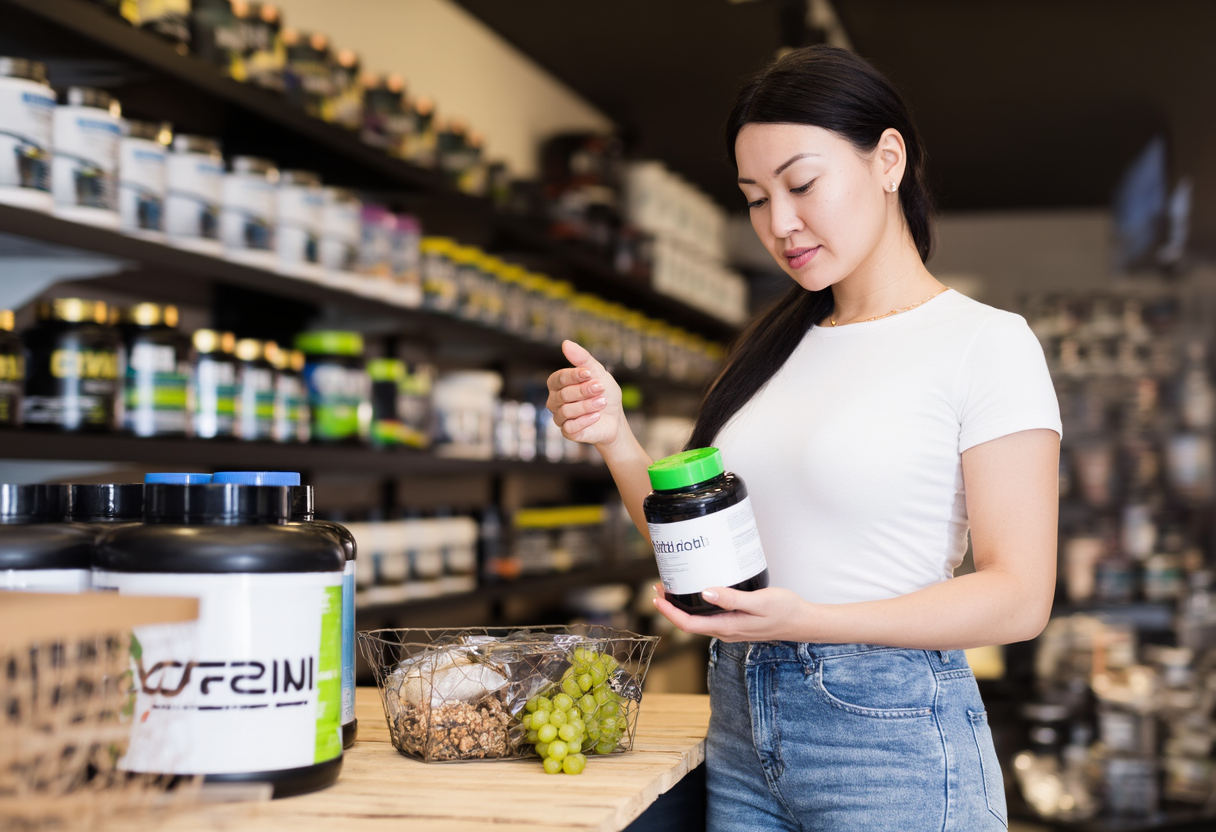
Shocking Truths: How to Avoid Low-Quality Protein Powder and Choose Top Supplements Safely
In the competitive fitness supplement market, alarming truths about low-quality protein powder often escape notice, posing significant health risks and undermining your performance objectives. Substandard options may harbor harmful additives that trigger digestive issues or long-term health complications, whereas premium alternatives can accelerate your results. This article equips you with a step-by-step approach to safely identifying top supplements, emphasizing ingredient scrutiny, certifications, amino acid completeness, and practical tactics. By avoiding common pitfalls, you'll prioritize your well-being and unlock genuine fitness progress through informed decision-making.
The Hidden Dangers of Low-Quality Protein Powder
Low-quality protein powders frequently contain undisclosed fillers, artificial sweeteners, or contaminants that compromise your health and fitness goals. For instance, additives like maltodextrin not only inflate costs but can cause bloating, digestive distress, or nutrient imbalances. Prioritizing ingredient transparency ensures you avoid these hidden perils and invest in supplements that deliver authentic benefits without compromising safety. Always scrutinize labels for red flags such as vague terms like 'natural flavors,' which may mask synthetic components, and opt for products listing pure protein sources like whey or plant-based isolates first.
Essential Factors for Selecting High-Quality Supplements
To make safe and effective choices, focus on these critical elements: ingredient integrity, third-party validations, amino acid optimization, digestibility rates, consumer feedback, and value for money. Each factor plays a pivotal role in ensuring your protein powder supports muscle synthesis, recovery, and overall health without adverse effects. We'll delve into each aspect, providing clear explanations and practical steps to simplify your evaluation process and enhance your supplement journey.
Ingredient Transparency: Your First Line of Defense
Scrutinizing ingredient lists is essential because many products conceal cheap fillers or artificial additives that diminish quality. Look for straightforward, minimal-ingredient formulations where protein isolates (e.g., whey, soy, or pea) dominate the label. Avoid ambiguous terms like 'proprietary blends' that obscure contents, and prioritize brands that openly disclose sourcing and processing methods. This vigilance not only safeguards against toxins but also ensures you receive full nutritional value, transforming your protein intake into a reliable health asset.
Third-Party Certifications: Building Trust in an Unregulated Market
Certifications from organizations like NSF or Informed-Sport act as a robust shield against contamination, heavy metals, or banned substances in protein powders. These verifications matter because they involve rigorous testing for purity and safety, offering peace of mind where regulations fall short. For example, NSF certification confirms that supplements meet stringent standards, while brands such as Optimum Nutrition exemplify this commitment. Always authenticate claims by scanning QR codes via official apps or consulting websites, turning abstract assurances into tangible confidence for your supplement choices.
Amino Acid Profiles: The Blueprint for Muscle Synthesis
The completeness of amino acid profiles directly influences protein powder effectiveness, as essential amino acids (EAAs) are vital building blocks your body cannot produce independently. Incomplete profiles, common in some plant-based options like pea protein, may hinder muscle growth compared to whey's high bioavailability. Utilize PDCAAS scores (Protein Digestibility Corrected Amino Acid Score) for quick assessment—aim for ratings near 1.0, such as those in whey isolates, to ensure superior absorption and faster recovery. This scientific approach guarantees peak performance without compromises.
Digestibility Factors: Maximizing Absorption and Comfort
Digestibility rates are crucial because poor absorption can lead to bloating, discomfort, or wasted supplements, detracting from your fitness investment. Fast-absorbing proteins like whey are ideal post-workout, while slow-digesting casein provides sustained release. Test your tolerance by starting with small servings and monitoring for reactions; if issues arise, switch to hydrolyzed or enzyme-enhanced formulas. This proactive strategy enhances bioavailability, ensuring you absorb more nutrients, feel better, and sidestep digestive setbacks for optimal results.
Consumer Reviews and Brand Reputation: Real-World Validation
Leveraging consumer feedback and brand ethics provides invaluable insights beyond marketing, revealing consistent issues like clumping or side effects that signal low-quality products. Research companies through platforms like Trustpilot or BBB ratings to identify ethical leaders such as Garden of Life, which emphasize transparency and sustainability. Focus on verified reviews to avoid scams and align with reputable brands that deliver on promises, turning collective wisdom into your personal safety net for supplement selection.
Price vs. Quality Balance: Smart Investing for Safety
Achieving a balance between cost and quality is vital, as bargain protein powders often compromise with inferior ingredients, increasing contamination risks. Premium options justify higher prices through purity and efficacy, so target mid-range products with certifications or bulk purchases during sales. Compare per-serving prices and prioritize value over flashy packaging—this approach protects your budget while ensuring you invest in health without overspending or sacrificing safety.
Top Protein Powder Brands Comparison
| Brand | Protein Source | Certifications | Price Range | User Rating |
|---|---|---|---|---|
| Optimum Nutrition | Whey | NSF | $20-40 | 4.8/5 |
| Garden of Life | Plant-Based | USDA Organic | $30-50 | 4.7/5 |
| Dymatize | Hydrolyzed Whey | Informed-Sport | $25-45 | 4.9/5 |
| Isopure | Whey Isolate | NSF, Informed-Sport | $35-55 | 4.6/5 |
| Orgain | Plant-Based Blend | USDA Organic, NSF | $25-40 | 4.5/5 |
Interpreting the Comparison Table
This table simplifies your search by highlighting key attributes of top protein powder brands. Focus on high user ratings and certifications like NSF or USDA Organic to identify safe, high-performance options. For instance, Optimum Nutrition excels in purity for whey enthusiasts, while Garden of Life offers sustainable plant-based alternatives. Use this data to compare protein sources, price points, and third-party validations, ensuring you select a supplement that aligns with your health goals and budget.
Step-by-Step Shopping Guide
- Examine ingredient labels thoroughly for transparency, avoiding products with fillers or artificial additives.
- Verify certifications through official sources like NSF websites to ensure safety and purity standards.
- Assess amino acid profiles using PDCAAS scores, opting for complete proteins to maximize muscle recovery.
- Test digestibility with sample sizes to confirm tolerance and avoid discomfort before committing to full purchases.
- Research reviews and brand ethics on platforms like Trustpilot to identify trustworthy companies with positive feedback.
- Compare prices per serving, targeting mid-range options during sales for the best value without compromising quality.
- Purchase from reputable retailers such as Amazon or direct brand websites to sidestep scams and ensure authenticity.
Conclusion: Empower Your Supplement Journey
The shocking truths about low-quality protein powder highlight the importance of informed choices for safeguarding health and enhancing performance. By prioritizing ingredient checks, certifications, amino acid completeness, digestibility, reviews, and value, you can confidently avoid risks and select top supplements. Take immediate action: Start reading labels today and choose certified brands for peace of mind. Remember, investing in quality isn't just wise—it's essential for safely and effectively achieving your fitness goals, so embrace this knowledge and transform your routine with confidence.