Avoid This Pitfall: Plant-Based vs. Whey Protein Powder – Which One Fits Your Health Goals Best?
Struggling to choose between plant-based and whey protein powders? This comprehensive guide compares nutritional profiles, amino acids, digestibility, environmental impacts, taste, and goal-based suitability. Discover key differences through a detailed comparison table and learn about hybrid options to avoid common pitfalls. Make an informed decision that aligns with your fitness goals and dietary needs for optimal health outcomes.
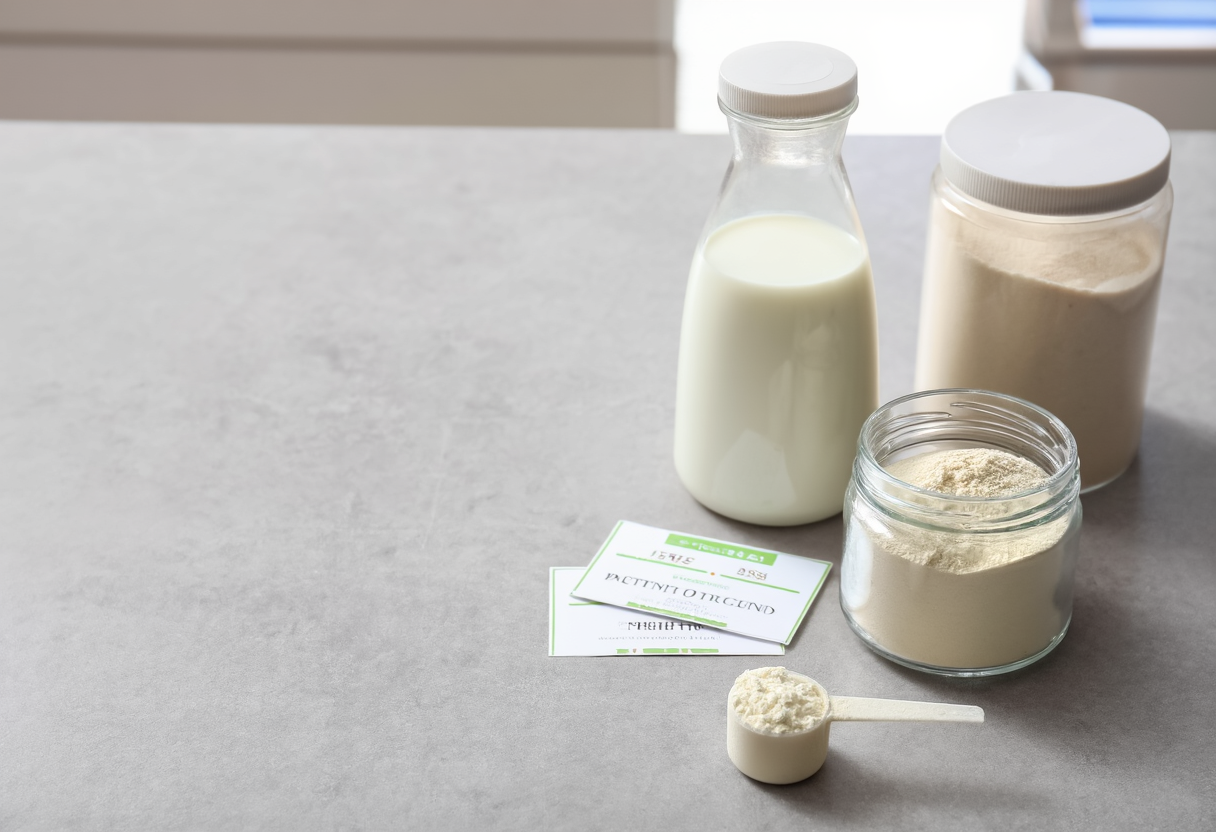
Selecting the ideal protein powder is essential for maximizing your health journey, yet it often resembles navigating a complex minefield of personalization challenges. Many fitness enthusiasts leap into the plant-based versus whey debate without carefully aligning it with their unique objectives, leading to wasted money and suboptimal results. In this detailed article, we guide you through this critical choice to sidestep common errors and help you pinpoint the perfect solution for your needs, covering everything from in-depth nutritional analysis to environmental sustainability. By optimizing content for clarity and SEO, we ensure you gain actionable insights that support your wellness goals effectively.
Chapter 1: Nutritional Composition
When comparing plant-based and whey protein powders, start with the macronutrient profile as a foundation. Whey protein typically delivers 20-25 grams of protein per serving, acting as a powerhouse for muscle support, while plant-based alternatives like pea or rice protein range from 15-20 grams due to their origins. Key differences stem from sources: whey derives from dairy, concentrating high-quality protein, whereas plant proteins rely on legumes or grains, often incorporating more carbohydrates and healthy fats. For example, a scoop of whey might contain only 1-2 grams of carbs and minimal fat, ideal for low-carb dieters, but plant-based versions can include up to 5 grams of carbs and fats from ingredients like chia seeds.
Beyond protein, examine vitamin and mineral variations to enhance your daily diet. Whey protein is naturally rich in calcium and B vitamins, boosting bone health and energy metabolism. Conversely, plant-based powders frequently add fortified nutrients like iron and zinc to compensate for gaps in plant sources. However, relying solely on supplements without whole foods can cause imbalances; always integrate these powders into a balanced diet to maximize benefits and prevent deficiencies for comprehensive wellness.
Chapter 2: Amino Acid Profiles
Assessing amino acid completeness is crucial for muscle repair and growth, as proteins serve as fundamental building blocks. Whey protein is a complete protein, offering all nine essential amino acids in optimal ratios, including high leucine levels that directly stimulate muscle synthesis. This makes whey ideal for athletes and bodybuilders seeking rapid post-workout recovery, as the body efficiently utilizes these amino acids without additional sources.
Plant-based proteins, such as pea, often fall short as incomplete proteins, lacking sufficient methionine or lysine, which can hinder consistent muscle repair. To overcome this, combine sources—like mixing pea with rice protein—creating a complementary profile that mimics completeness. This strategy not only boosts efficacy but also supports vegan lifestyles, ensuring plant-based protein powder benefits extend to holistic health without compromising amino acid delivery for long-term results.
Chapter 3: Digestibility and Tolerance
Gut health is pivotal in protein selection, as digestive issues can derail fitness progress. Whey protein, being dairy-based, often triggers lactose intolerance in sensitive individuals, causing bloating or discomfort—a common pitfall for those unaware of their tolerance levels. Many users opt for whey isolates with reduced lactose, but testing with small doses first minimizes risks effectively.
Plant-based proteins offer higher fiber from ingredients like hemp or flaxseed, promoting digestion and gut microbiome health. Absorption rates vary: whey absorbs quickly, ideal for post-workout windows, while plant proteins digest slower, providing sustained energy. For sensitive systems, start with hypoallergenic options like pumpkin seed protein and gradually increase intake to build tolerance, ensuring a smoother experience and better gut harmony.
Chapter 4: Environmental Impact
Sustainability concerns rise in the protein powder debate, with carbon footprint analysis revealing stark contrasts. Whey production relies on dairy farming, generating higher greenhouse gases—up to 2-3 times more per kilogram than plant-based alternatives, due to methane emissions and energy-intensive processing. This highlights potential conflicts with eco-goals if sustainability is a priority.
Water usage stats further favor plant-based; almond or soy options require significantly less water than dairy farming, which consumes vast amounts for feed and cattle. Ethical sourcing, like deforestation for soy crops, adds complexity, but selecting brands with regenerative agriculture or Fair Trade certifications aligns your choice with environmental values, reducing your impact while meeting health needs sustainably.
Chapter 5: Taste and Texture Experience
User satisfaction hinges on taste and texture, where plant-based powders often face complaints of grittiness or earthiness from natural fibers affecting mixability. Conversely, whey protein is known for its creamier, smoother consistency, making it a daily favorite.
Solutions for better mixability include blending plant powders with almond milk or adding fruits to mask flavors. Flavor variety differs: whey offers indulgent tastes like chocolate, while plant-based embraces natural options like matcha. Experimenting with brands and techniques enhances satisfaction, ensuring your protein powder supports consistent dietary habits for enjoyment and results.
Chapter 6: Goal-Based Suitability
Match protein powder to fitness objectives to prevent mismatches. For muscle building, whey's fast absorption and complete amino acids excel in hypertrophy and recovery. Plant-based proteins shine in weight management due to higher fiber, promoting satiety and calorie control over time.
Dietary restrictions also influence choice: plant proteins suit vegan or dairy-free diets, while whey works for omnivores but may clash with lactose sensitivities. For instance, bodybuilders might choose whey for gains, whereas those with IBS or ethical concerns prefer plant-based. Tailoring your selection ensures tangible results aligned with specific health goals.
Chapter 7: Comparison Table
To simplify the plant-based vs. whey showdown, this detailed comparison table highlights key differences across essential categories, aiding your informed decision-making process for optimal health.
| Category | Plant-Based Option | Whey Option | Key Notes |
|---|---|---|---|
| Nutrition | Lower in some vitamins (e.g., B12) | Complete amino acid profile | Whey has higher leucine for muscle growth |
| Digestion | Higher fiber, better for gut health | Risk of lactose intolerance | Plant-based digests slower, good for satiety |
| Environmental Impact | Lower carbon footprint and water usage | Higher emissions and resource consumption | Plant-based supports sustainability goals |
| Taste & Texture | Can be gritty or earthy | Creamier and smoother | Flavors vary; whey often more palatable |
Chapter 8: Hybrid and Specialized Options
Beyond the binary choice, blended formulations offer a versatile middle ground; combining plant-based and whey proteins harnesses both benefits. For example, a pea and whey blend provides complete amino acids with easier digestion, ideal for those seeking balanced nutrition without strict commitments.
Specialized alternatives like collagen or beef protein powders cater to unique needs; collagen supports joint health, while beef protein is hypoallergenic and nutrient-rich. Integrate these by starting small in shakes and assessing tolerance, enabling a customized protein regimen that evolves with your health goals.
In conclusion, navigating the plant-based vs. whey protein powder choice relies on personalized strategies to avoid pitfalls and optimize outcomes. Opt for whey for muscle efficiency if tolerating dairy, or choose plant-based for sustainability and digestive health. Hybrid options balance advantages from both sides. As actionable steps: assess your goals clearly, sample various products, and consult a nutritionist. Remember, the best protein powder aligns with your unique journey—make an informed choice today for lasting wellness.