Shocking Truth: Fast Fashion’s Devastation vs Sustainable Fashion’s Lifeline – A Timeline of Environmental Impact
This eye-opening timeline traces the stark contrast between fast fashion's environmental devastation from the 1980s to today and sustainable clothing's hopeful rise as a lifeline. Discover alarming statistics like 10% of global carbon emissions, key innovations such as biodegradable fabrics, and consumer shifts driving change. Learn how brands and policies are transforming the industry, with actionable steps to embrace ethical fashion. Join the movement for a greener future—every choice matters. (Character count: 248)
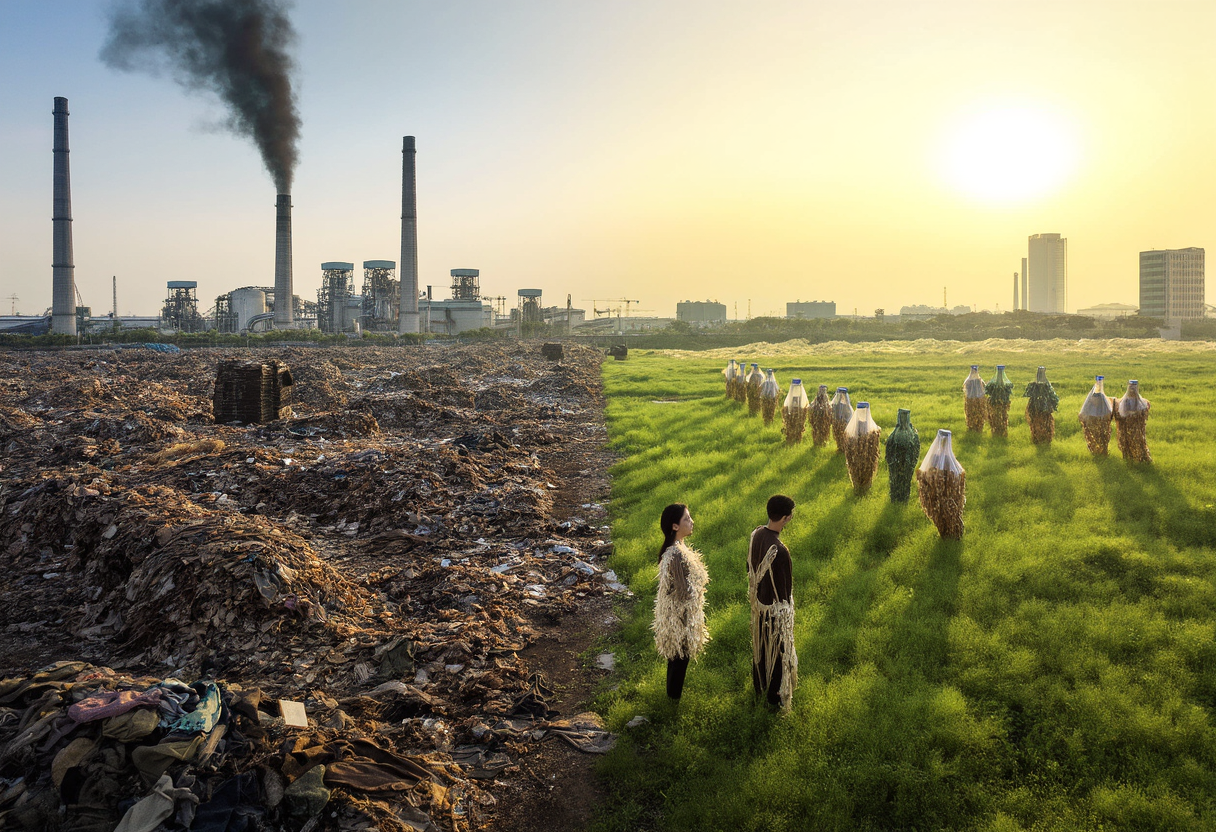
Introduction: The Environmental Clash
Addressing fashion's colossal ecological footprint is an urgent necessity, with the industry ranking among the world's top polluters and deepening crises like resource depletion and climate impacts each year. The solution lies in sustainable clothing—synonymous with earth-friendly apparel—which prioritizes ethical production, circularity, and fair labor to minimize environmental harm. This compelling timeline traces the journey from past destruction to present restoration, highlighting how conscious choices offer hope.
- Key definition: Sustainable clothing encompasses garments made from organic or recycled fibers, using processes that drastically cut water and energy consumption, acting as a vital lifeline against degradation.
The Rise of Fast Fashion (1980s-2000s)
The late 20th century witnessed the explosive boom of fast fashion, driven by globalization and the allure of cheap, disposable clothing that transformed consumer habits overnight. Brands like Zara and H&M pioneered rapid production cycles, churning out trendy items at low prices but designing them for short lifespans, leading to massive waste.
Initial environmental costs were devastating:
- Rampant water pollution from toxic dyes dumped into rivers, particularly in manufacturing hubs such as China and Bangladesh, poisoning ecosystems with little oversight.
- Key milestones in the timeline:
- 1994: North American Free Trade Agreement (NAFTA) accelerated offshore production, intensifying pollution.
- 2000s: E-commerce surge multiplied consumption, creating a culture of excessive waste with minimal accountability.
Environmental Toll of Fast Fashion (Present Day)
Fast fashion's ongoing devastation is staggering and multidimensional, impacting everything from climate to biodiversity in profound ways since 2010. The consequences are not just alarming but demand immediate global attention.
- Carbon emissions: Responsible for over 10% of annual global carbon emissions, equivalent to the output of entire nations.
- Water waste: Consumes 93 billion cubic meters yearly—enough to fill 37 million Olympic-sized pools—due to inefficient processes.
- Textile waste: Landfills overflow with 92 million tons buried or incinerated annually, as highlighted in 2020 reports.
- Microplastic pollution: Oceans absorb 500,000 tons of synthetic fiber fragments each year, harming marine life and infiltrating human food chains.
- Biodiversity loss: 20% of species decline in cotton-growing regions stems from pesticide-heavy farming, per a 2021 IUCN study.
Emergence of Sustainable Fashion (Present)
Sustainable clothing has evolved from a niche movement to mainstream recognition in the past decade, driven by growing consumer and brand awareness of environmental ethics. Pioneers like Patagonia began advocating for durability and transparency in the early 2010s, gaining traction through viral campaigns and certifications.
- Adoption of earth-friendly fabrics: Materials like organic cotton reduce water usage by up to 91% and cut chemical inputs by 80% compared to conventional methods, per 2022 Textile Exchange data.
- Innovations accelerating change: Circular economy models, such as H&M’s garment recycling programs launched in 2013, divert waste by transforming old textiles into new fibers, proving ethical fashion can merge style with sustainability.
Comparative Impact Analysis (Present Day)
Comparing fast fashion to sustainable alternatives reveals stark differences, with data showing measurable environmental benefits and a path toward scalable solutions. Forward-thinking brands have demonstrated that ethical choices translate to tangible impacts.
- Emissions reductions: Sustainable clothing has driven cuts of 30-50% since 2015, according to 2023 McKinsey reports, by embracing renewable energy and efficient processes.
- Water savings: Techniques like rainwater harvesting save an average of 7,000 liters per garment versus fast fashion. Real-world examples include Levi’s Water
- Life cycle superiority: Sustainable apparel consistently outperforms in assessments, fostering resilience and offering hope for widespread adoption.
Consumer Shift and Advocacy (Present to Near Future)
Since 2020, consumer awareness has surged dramatically, reshaping the industry through activism and market demands for ethical fashion. Movements like #FashionRevolution have amplified calls for transparency, forcing brands to disclose supply chains and driving exponential growth in sustainable alternatives.
- Demand explosion: Sales of sustainable clothing, including searches for synonyms like earth-friendly apparel, surged by 40% from 2021 to 2023, fueled by Gen Z and millennial activism.
- Strategies for amplification: Influencer collaborations (e.g., the 2022 "Wear Me 30 Times" campaign) and policy pushes like the EU’s Digital Product Passport initiative enhance transparency and accountability.
Innovations Driving Change (Near Future)
Emerging technologies and policy shifts are poised to mitigate fashion's impact in the near future, offering innovative solutions to longstanding problems like pollution and waste. Projections indicate these advancements will redefine sustainable production and consumption.
- Biodegradable breakthroughs: Anticipated materials like mushroom leather and algae-based textiles by 2025 could slash microplastic pollution.
- Policy evolution: California’s 2023 bill mandating recycled content in apparel and the EU’s Circular Economy Action Plan set for 2026 enforce greener regulations.
- Digital tools: Blockchain and AI enhance supply chain transparency, with apps like Good On You rating brands on sustainability metrics to empower consumer choices.
Long-Term Solutions and Global Outlook (The Future)
By 2030, industry transformation is set to scale sustainable clothing globally, integrating it into broader climate frameworks for systemic change. Forecasts from organizations like the Ellen MacArthur Foundation highlight a promising trajectory toward reduced environmental harm.
- Reduction targets: Predictions include a 50% cut in fashion’s carbon footprint through widespread circular models.
- Market shifts: Rental and resale platforms could capture 20% of the market by 2030, supported by investments in regenerative agriculture for raw materials.
- Global integration: Aligning sustainable apparel with initiatives like the Paris Agreement is vital for achieving net-zero targets and conserving resources worldwide.
Conclusion: A Call to Action
This timeline recaps fast fashion's destructive rise and sustainable clothing's emergence as a restorative lifeline, urging immediate personal and collective action to combat environmental ruin.
Urgent steps to reduce your footprint:
- Buy less and prioritize secondhand items to minimize waste.
- Choose certified sustainable clothing for ethical production.
- Support brands committed to earth-friendly apparel, amplifying market demand.
Every purchase is a vote for a greener future—join the movement today to champion ethical fashion and turn the tide against destruction.