Discover Top Apartment Rental Locations for 2026
Finding the perfect apartment rental in 2026 hinges on strategic location choices that balance cost, convenience, and lifestyle. This guide explores top cities like New York, Chicago, and Los Angeles, highlighting key factors such as commute times, safety ratings, and neighborhood amenities through detailed data tables. Learn how to evaluate rent affordability, transportation access, and demographic trends to save money and enhance your urban living experience. Discover practical tools and actionable steps to make informed decisions for a rewarding rental journey this year.
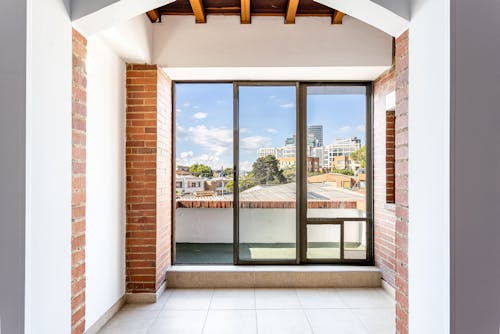
Discover Top Apartment Rental Locations for 2026
Why Location Matters for Your Apartment Rental
Securing the ideal apartment in 2024 isn't just about the unit—it's about selecting a strategic location that enriches your lifestyle and optimizes costs. Factors like daily commute times, neighborhood safety, and proximity to essential amenities such as shops, parks, and gyms can profoundly impact your work-life balance, monthly budget, and overall satisfaction. For instance, choosing wisely can reduce long-term expenses and transform your living experience into a fulfilling urban adventure, setting the stage for personal and financial growth in the year ahead.
Essential Factors for Choosing the Right Location
When evaluating apartment rental spots, prioritize commute efficiency to minimize stress and costs; however, be aware that shorter commutes often come with higher rent premiums. Similarly, assessing safety metrics through objective data ensures peace of mind, while access to nearby conveniences boosts quality of life. Below, we outline critical elements with supporting tables to guide your decision-making.
Commute Times and Transportation Expenses
Analyzing commute durations reveals significant trade-offs: urban centers offer proximity but higher costs, whereas suburbs provide affordability at the expense of travel time. For example, data shows that minimizing daily transit can save both money and personal hours, making it a pivotal factor for budget-conscious renters.
Safety Ratings and Neighborhood Security
Safety is paramount for families and solo renters alike, with lower crime rates often correlating to premium rents but offering invaluable security. Detailed neighborhood analysis helps identify areas that balance cost with peace of mind.
Amenities and Quality-of-Life Considerations
Prioritizing walkable access to amenities like grocery stores, parks, and gyms can significantly enhance daily living, reducing reliance on vehicles and boosting overall well-being. This convenience must be weighed against affordability to find the right fit.
- Grocery Access: Aim for stores within 0.5 miles to save time and money.
- Recreational Spaces: Nearby parks improve mental health and social opportunities.
- Fitness Facilities: Gyms in proximity support healthy lifestyles without added commute.
Key Factors for the Ideal Rental Location in 2026
Three core elements—rent costs, transportation access, and neighborhood demographics—dictate the suitability of an apartment location in today's market. Affordability remains a top priority, with stark variations across cities demanding careful comparison.
Rent Costs and Affordability Benchmarks
Comparing average rents highlights dramatic differences, where tech hubs command premium prices while emerging cities offer more budget-friendly options. This makes thorough data analysis essential for cost-effective decisions.
Transportation Access and Public Transit Efficiency
Cities with robust public systems reduce car dependency and lower living expenses; for example, high transit access rates translate to significant savings and environmental benefits.
Demographic Insights and Community Fit
Reviewing neighborhood demographics helps identify areas that align with your lifestyle, such as family-friendly zones with top schools or vibrant hubs for young professionals, ensuring a supportive community environment.
- Family-Oriented Areas: Look for high school ratings and low crime, e.g., Boston suburbs.
- Young Professional Hotspots: Target neighborhoods with tech jobs and social scenes, like Downtown LA.
- Retirement Communities: Seek quiet areas with healthcare access and senior amenities.
Top Cities for Apartment Rentals in 2026
This year, standout cities offer unique advantages, from New York's career opportunities to Chicago's affordability and LA's growth potential. Data tables highlight rent and amenity comparisons to simplify your search.
New York: The Urban Powerhouse
Manhattan's high rents are offset by unparalleled access to jobs, dining, and parks, making it ideal for career-driven renters willing to invest in convenience.
Chicago: The Budget-Friendly Gem
With rents as low as $1,500/month in areas like Logan Square and excellent transit scores, Chicago provides exceptional value without sacrificing urban perks.
Los Angeles: Emerging Growth Hotspots
Areas like Downtown LA and Culver City offer moderate rents and booming tech scenes, appealing to renters seeking future-proof investments in dynamic environments.
Neighborhood Insights: Maximizing Rental Value
Granular comparisons between downtown cores and suburbs reveal cost-benefit trade-offs, such as higher walkability versus more space, while crime and school data inform long-term stability.
Downtown Living vs. Suburban Options
Downtown areas offer unbeatable convenience but at a premium, whereas suburbs provide affordability and space with longer commutes—essential to weigh based on your priorities.
Crime Rate Trends and Property Value Correlation
Safer neighborhoods often see rising property values, making declining crime stats a smart target for renters seeking stability and appreciation potential.
School District Ratings for Families
Top-rated schools in suburbs, like those near Boston, enhance resale potential and community safety, making demographic data a game-changer for family renters.
- High-Rated Districts: Correlate with 10-15% higher property values and lower crime.
- Up-and-Coming Areas: Offer affordability with improving school scores, ideal for long-term investments.
Future Rental Trends for 2024
Anticipating rent changes and infrastructure developments is crucial for locking in favorable deals, with tech hubs and demographic shifts shaping demand.
Rent Forecasts in Key Markets
Predictive data suggests 5-10% increases in tech-centric cities, urging renters to act quickly to avoid hikes and secure stable leases.
Infrastructure and Development Impacts
New projects like transit expansions in Miami or green spaces in Denver signal growth areas, attracting millennials and boosting rental demand.
- Transit Upgrades: Increase accessibility and property values in surrounding neighborhoods.
- Green Initiatives: Enhance livability, drawing eco-conscious renters to affordable cities.
Practical Tools for Simplifying Your Search
Leverage online resources to filter options efficiently, with comparison tables highlighting top tools for rent estimates, amenity access, and market analysis.
Top Online Comparison Tools
Platforms like Zillow and Walk Score streamline searches by providing real-time data, saving time and enabling informed decisions.
Visiting Checklists for In-Person Tours
Ensure thorough evaluations with a step-by-step checklist, covering critical factors like commute routes and safety tests to avoid oversights.
- Inspect commute paths during peak hours for real-time insights.
- Test neighborhood safety by walking at different times.
- Verify amenity access, such as grocery store distances.
Step-by-Step Action Plan for Success
Follow this structured approach to make a rewarding rental choice, summarizing data takeaways and personalizing your evaluation for optimal results.
Summarize Key Takeaways
Review insights like prioritizing cities with stable rent forecasts and using tables to compare top picks, ensuring alignment with your needs.
Personalized Evaluation and Next Steps
Visit neighborhoods in person and consult tools like Rentometer to finalize decisions, balancing budget and lifestyle for a fulfilling 2024 rental experience.