7 Essential Tips for Beginners in Music Lessons: Start Your Journey Right
Unlock the secrets to a successful start in music lessons with this expert Q&A guide! Discover seven essential tips for beginners: learn why prioritizing lessons now boosts brain power and confidence, how to choose the perfect instrument based on your style, find a patient teacher, establish a sustainable practice habit, avoid common errors like poor posture or comparison traps, stay motivated through small rewards and community support, and leverage top resources like apps and tutorials. Packed with actionable insights from an experienced instructor, you'll navigate your musical journey with joy and ease—begin today and transform your life through music!
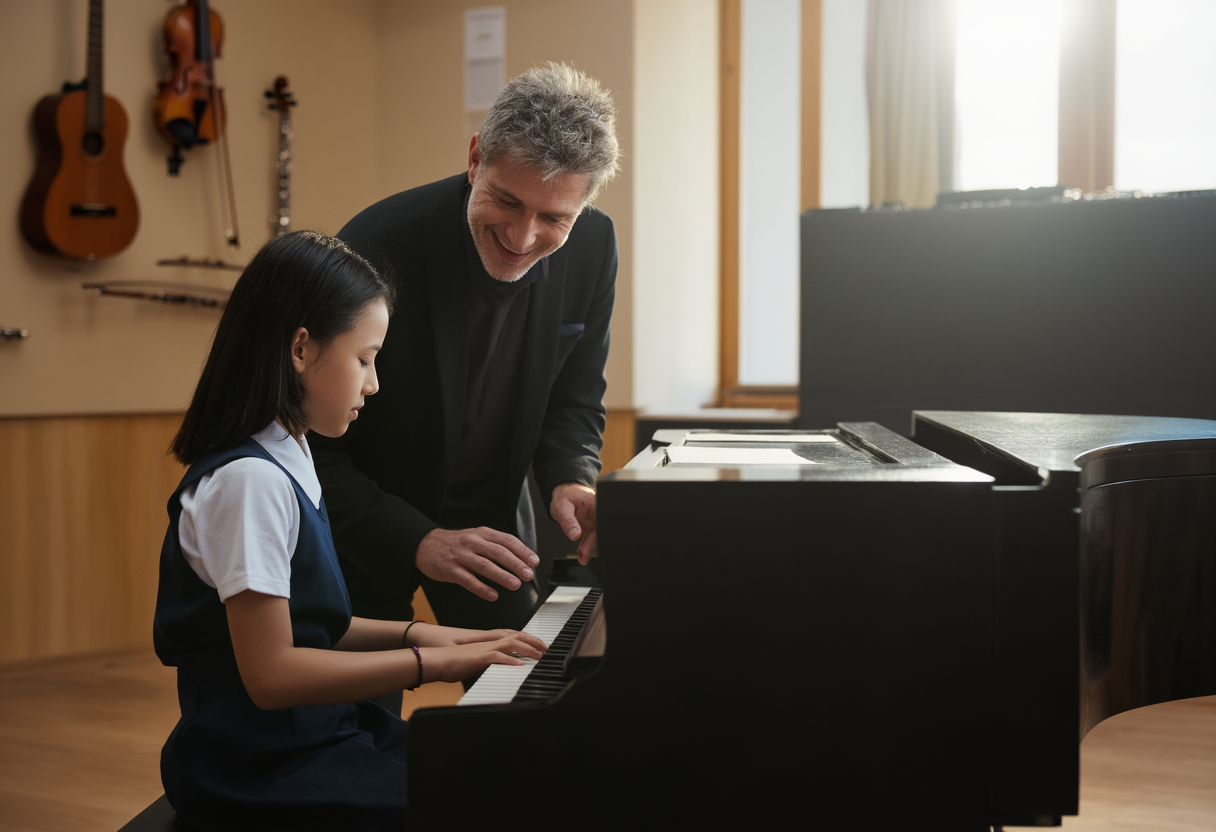
Welcome to Your Musical Journey
Welcome to this essential Q&A guide crafted specifically for beginners eager to start their musical adventure! If you're new to music lessons, questions like 'Where do I begin?' or 'How can I succeed?' are common. As an instructor with years of experience, I've seen countless students boost confidence, develop new skills, and find immense joy through music. In this article, I'll address seven key queries with practical tips and personal insights, helping you take confident first steps. SEO keywords: beginner music lessons, learn instrument basics, start your musical journey. Let's demystify the process and make your journey unforgettable!
Why should beginners prioritize starting music lessons right now?
Beyond the sheer excitement of creating melodies, music lessons offer profound benefits that enhance your daily life. Studies consistently show they improve cognitive functions, such as:
- Enhanced memory retention
- Sharper problem-solving skills
- Significant stress reduction
For instance, a National Institutes of Health report linked regular practice to lower anxiety levels and clearer thinking. As I've observed, students often report mood improvements within weeks, proving persistence pays off. Lessons also build unshakable confidence as you master each note and serve as a creative outlet for self-discovery. Start small with achievable goals, like learning a basic scale, to maintain motivation and celebrate every milestone—because beginning now unlocks a world of personal growth.
When choosing your first instrument for music lessons, how do you pick the perfect match?
Selecting the right instrument is crucial for a fulfilling experience. Begin by aligning with your personal interests: if you love pop or rock, a guitar could be ideal, while piano suits classical enthusiasts with its versatility. Consider physical factors too, such as hand size for string instruments or lung capacity for winds like flute—testing in-store helps avoid discomfort. As I advise students, kids may find ukuleles more manageable than full-sized guitars, and adults should prioritize ergonomics. Budget is key; renting instruments offers a cost-effective start, and trial lessons from schools provide low-risk experimentation. Ultimately, this thoughtful approach ensures your choice sparks joy and sustains long-term engagement.
Finding a great music teacher as a newcomer—where do you begin?
A supportive teacher makes all the difference in your learning journey. Start by seeking certified instructors with proven experience teaching beginners, as they build strong foundations. Check online reviews on platforms like Yelp and request trial sessions to gauge chemistry—vital for a positive environment. From my perspective, a teacher's adaptability and patience are non-negotiable; flexible mentors accelerate progress, while rigid ones cause frustration. Explore local options, such as community centers, and prioritize educators who emphasize fun over perfection. This strategy creates a stress-free start, turning lessons into an inspiring adventure rather than a chore.
How do you structure an effective practice routine for success?
Building a consistent practice habit is the backbone of musical growth. Kick off with short, daily sessions of 15-20 minutes to avoid burnout and make progress sustainable. Focus on mastering basics like scales or simple melodies before tackling complex pieces—this prevents confusion. As I teach, celebrating small victories, such as nailing a few notes, keeps enthusiasm high. To add variety and engagement, incorporate:
- A quick warm-up to prevent injuries
- Brief music theory study using apps
- Fun jams with play-along tracks
Consistency trumps marathon sessions, so use a timer to stay focused and track improvements. This approach turns practice into a rewarding daily ritual.
What common pitfalls should beginners steer clear of in music lessons?
Avoiding mistakes early prevents setbacks and fuels progress. First, neglecting proper posture or hand positioning might seem minor but can lead to painful injuries like tendon strain—use a mirror during practice for self-checks, a tip I often correct. Second, skipping music theory basics causes confusion later; integrate simple apps to make it engaging. Third, comparing your journey to others demotivates and distracts from personal growth. Instead, track milestones in a journal to appreciate how far you've come. By sidestepping these traps, you'll build a resilient foundation for continuous improvement.
Staying motivated amid challenges—how can you overcome slumps?
Maintaining drive is essential for long-term success. Set bite-sized, achievable goals, like mastering one song in a month, and reward yourself—e.g., recording your progress to share with friends for accountability and morale boosts. Join supportive communities, such as online forums like Reddit or local music groups, to swap tips and find inspiration. Isolation slows learning, while peer encouragement fuels persistence, as I've seen firsthand. If you hit a plateau, vary your lessons or seek teacher feedback—trying a new genre can reignite passion. Remember, small wins accumulate into big achievements, keeping your musical fire alive.
Enhancing your learning with the right resources—what tools should you leverage?
Leveraging effective resources amplifies your progress. Interactive apps like Simply Piano offer real-time feedback during practice, making lessons dynamic and fun—but use them to supplement, not replace, live instruction for balance. Tap into free options such as books and YouTube tutorials, vetting for accuracy to avoid bad habits. Affordable starter gear, like tuners and metronomes, improves sound quality without overspending. As a resource tip from my teaching, apps and tools should simplify learning, not complicate it, ensuring you stay committed and enjoy every step of your musical exploration.
Conclusion: Embark on Your Musical Adventure Today
Starting beginner music lessons is an exhilarating step toward personal fulfillment. Recap these seven essential tips: prioritize lessons for cognitive and emotional benefits, choose your instrument thoughtfully, find a patient teacher, establish a consistent practice routine, avoid common pitfalls, stay motivated with rewards, and utilize helpful resources. From my years of experience, dedication guarantees success—so take that first step now! Enroll in a lesson, grab an instrument, and embrace the joy of creating music. Your adventure awaits—start strong and make every note count.