8 Effective Strategies for Kids' Music Lessons: Fun Learning Approaches
Discover eight proven strategies to make music lessons fun and effective for your child! This Q&A guide explores expert tips on choosing instruments, engaging teaching methods, parental support, overcoming challenges, and sustaining long-term interest. Learn how to foster cognitive, social, and emotional growth while keeping kids excited about music. Perfect for parents seeking a joyful and rewarding musical journey.
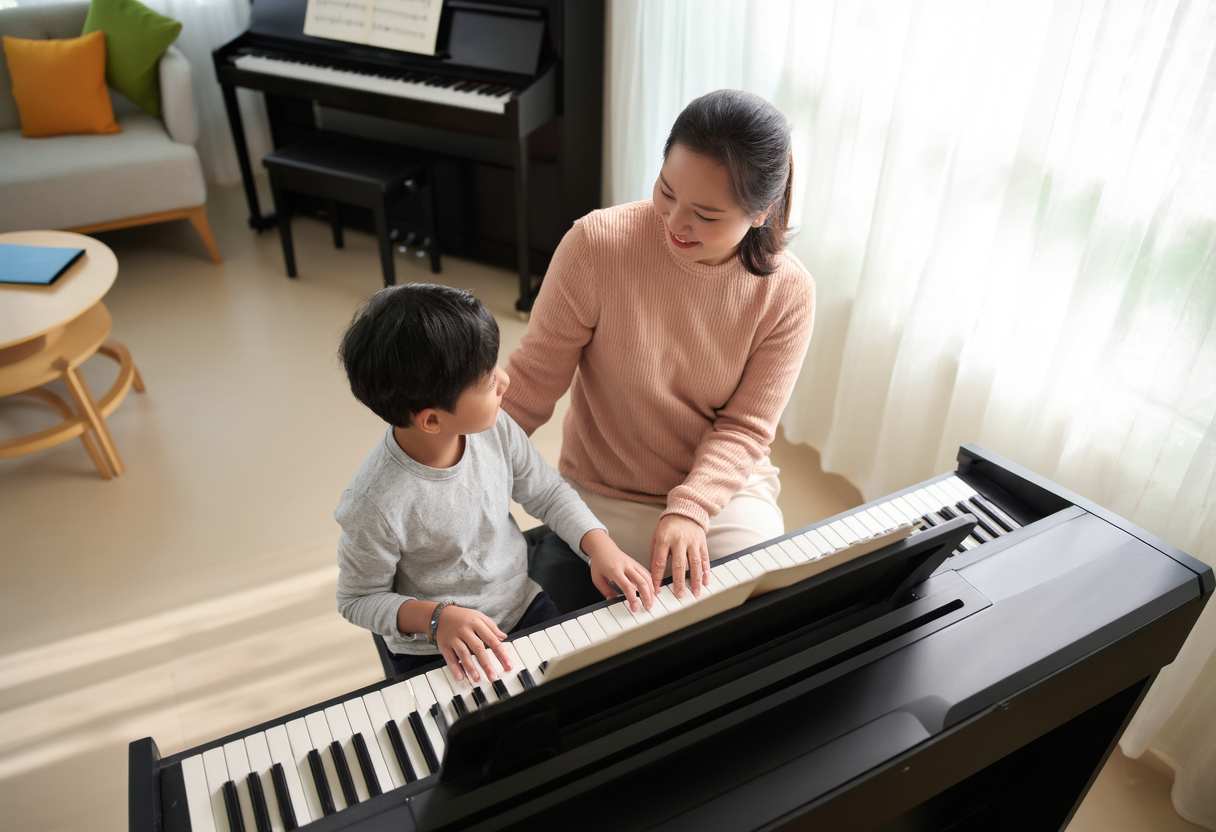
8 Effective Strategies for Kids' Music Lessons: Fun Learning Approaches
Welcome to this comprehensive Q&A guide on transforming music lessons into an engaging and effective experience for children. Drawing insights from experienced educators, we address key questions to help you navigate your child's musical journey with fun and rewards. From developmental benefits to practical strategies, each section includes actionable tips and author commentary to enrich your understanding. Let's dive into the first critical question together.
Why Are Music Lessons Beneficial for Children's Development?
Music lessons offer profound developmental advantages that extend beyond musical skills:
- Cognitive Enhancement: Children boost memory and problem-solving abilities by engaging with patterns and rhythms. As the author notes,
studies consistently show that kids in music lessons often perform better academically, with early starters gaining lifelong advantages.
- Social and Emotional Growth: Through group activities and performances, kids learn teamwork, communication, and confidence from recitals in a supportive environment.
- Creativity Boost: Improvising and composing simple tunes encourage self-expression, making lessons enjoyable and helping children find their unique voice.
How Do You Choose the Right Instrument and Lessons for a Child's Age and Interests?
Selecting age-appropriate instruments and personalized lessons ensures a great fit and prevents burnout:
- Age-Appropriate Instruments: Opt for percussion tools for kids under 5, or ukuleles/pianos for older children. Assess attention spans first to avoid frustration.
- Passion Matching: Tailor lessons to interests, like pop songs for teens or classical pieces for focused learners. Involve kids in decisions through trial classes to build excitement.
- Lesson Format: Choose group vs. private based on personality and budget—shy kids thrive one-on-one, while groups foster friendships. The author suggests mixing formats for balance:
Observing a class first helps ensure alignment with your child's needs.
What Teaching Methods Make Music Lessons Fun and Engaging for Kids?
Incorporate playful elements and technology to keep sessions dynamic:
- Games and Movement: Use rhythm games or stories to turn practice into playtime, preventing boredom.
- Technology Integration: Apps like Simply Piano offer interactive feedback, but limit screen time to maintain hands-on practice.
- Personalization: Relate lessons to favorite songs or characters to spark interest. The author comments,
Kids learn faster with familiar tunes, so letting them pick repertoire sustains enthusiasm.
How Can Parents Support Their Child's Music Lessons at Home?
Effective home support builds consistency and positivity:
- Consistent Routine: Establish short daily sessions of 10-15 minutes to create habits; praise effort over perfection to foster a growth mindset.
- Dedicated Space: Set up a quiet, colorful corner with instruments to minimize distractions and make practice enjoyable.
- Active Involvement: Attend lessons or performances to show encouragement. Ask teachers for home tips to reinforce learning and create a supportive environment.
What Strategies Help Overcome Common Challenges in Kids' Music Lessons?
Address hurdles with smart tactics:
- Attention Spans: Vary activities and include breaks—switch between playing, singing, and theory to maintain energy.
- Frustration Management: Set achievable goals and celebrate small wins with stickers or praise. The author advises,
This avoids pressure and builds resilience, turning setbacks into learning moments.
- Lack of Interest: Link music to hobbies, like drumming for active kids or art themes, to reignite passion.
How Do You Find the Best Teachers and Programs for Children's Music Education?
Evaluate educators and programs for quality and fun:
- Teacher Qualifications: Look for specialized training in child development and patience. Certifications in early education are key.
- Program Structure: Choose curricula with performance opportunities like recitals, but avoid rigidity to preserve creativity.
- Format Options: Consider online vs. in-person based on convenience; ensure interactive elements for engagement. The author notes,
Overly rigid approaches can stifle fun, so prioritize flexibility.
What Resources and Tools Enhance Learning for Kids in Music Lessons?
Supplement lessons with accessible resources:
- Digital Tools: Use apps, books, and free videos (e.g., YouTube Kids) for variety without extra cost.
- Age-Suitable Instruments: Opt for small keyboards or percussion sets to prevent strain; rent before buying to test fit.
- Community Support: Join groups like ParentZone forums for shared advice and local workshops for social fun.
How Do You Track Progress and Maintain Long-Term Interest in Kids' Music Lessons?
Sustain enthusiasm with visible milestones:
- Progress Journals: Keep recordings or videos to showcase improvement over time, motivating kids by reviewing growth.
- Milestone Celebrations: Host low-pressure mini-concerts for family to build excitement and commitment.
- Exploration Encouragement: Rotate instruments or genres to prevent boredom. The author emphasizes,
Quitting one instrument doesn't mean quitting music altogether—adaptability keeps the journey fresh.
In conclusion, implementing these eight strategies can make music lessons a delightful and fruitful part of your child's life. By focusing on fun, tailored approaches, and consistent support, you'll inspire a lasting love for music. Start applying these tips today to watch your child thrive musically.