Must-Know Senior Dog Health Secrets: 9 Life-Changing Tips for Your Aging Best Friend!
Unlock the secrets to a vibrant and joyful life for your aging canine companion with these essential senior dog health tips. This guide covers 9 transformative strategies, including spotting early signs of joint problems, optimizing nutrition with key nutrients like omega-3s, implementing effective pain management, adapting exercise routines for low-impact activities, ensuring home safety with non-slip surfaces, conducting regular health monitoring, supporting cognitive function through engaging exercises, and making dietary adjustments for digestive health. By following these practical tips, you can enhance your senior dog's quality of life, reduce discomfort, and strengthen your bond during their golden years—discover how easy it is to make a difference.
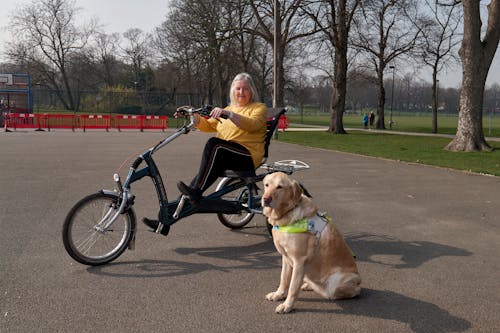
Must-Know Senior Dog Health Secrets: 9 Life-Changing Tips for Your Aging Best Friend!
Embracing your senior dog's golden years brings both joy and responsibility—it's a time filled with cherished moments but unique health challenges. As your furry friend ages, signs like a graying muzzle and slower movements remind you to proactively address their evolving needs. Enhancing their comfort and vitality requires understanding how to manage joint health, nutrition, and overall well-being. These 9 actionable senior dog health tips offer a comprehensive blueprint to help you provide the best care, ensuring your aging companion lives not just longer, but fuller and happier. With practical advice on everything from pain relief to safe home adaptations, this guide empowers you to turn potential worries into opportunities for deeper connection and quality time together. After all, isn't the sight of your dog's joyful tail wag the ultimate reward?
- Spot Joint Problems Early: Pay attention to warning signs such as limping after rest, reluctance to jump on furniture, or hesitation with stairs—these behaviors often signal stiffness or pain from arthritis. Additionally, watch for decreased playtime or unusual irritability, which could indicate underlying joint issues in senior dogs; early detection allows for interventions like supplements or vet consultations to prevent degeneration.
- Focus on Essential Nutrients: Prioritize a balanced diet rich in high-quality protein sources (e.g., lean meats and eggs) to combat muscle loss, omega-3 fatty acids (from fish oil) to reduce joint inflammation, glucosamine for cartilage repair, and antioxidant-packed vegetables like carrots and spinach for cellular health—these senior dog nutrition strategies support overall vitality and slow age-related decline.
- Implement Effective Pain Management: Ease your senior dog's chronic pain with a holistic approach, such as daily short massage sessions to improve circulation and relieve tension, veterinarian-approved anti-inflammatory medications for targeted relief, warm compresses to soothe stiff joints, and optional therapies like acupuncture for enhanced mobility; consistently monitoring pain levels ensures your furry friend stays comfortable and active.
- Adopt Joint-Friendly Exercise Routines: Keep your senior dog moving gently with low-impact activities—opt for multiple short walks instead of long ones, swimming sessions for zero-stress joint support, and simple daily stretches to maintain flexibility while avoiding high-impact play like jumping or hard running, which can worsen joint problems and lead to discomfort over time.
- Ensure Home Safety Adaptations: Create a secure environment by placing non-slip rugs on slick floors to prevent falls, investing in orthopedic bedding for better sleep and joint relief, installing sturdy ramps for safe access to elevated areas like beds or cars, and adding adequate nighttime lighting in hallways to minimize risks—these adaptations make daily life safer and more comfortable for your senior dog.
- Follow a Health Monitoring Protocol: Be proactive with routine checks: schedule biannual vet exams for early issue detection, track weight fluctuations as indicators of health problems, monitor water intake for signs of conditions like diabetes or kidney disease, and log any changes in appetite, energy levels, or bathroom habits to provide your veterinarian with valuable insights—regular surveillance helps catch problems early for timely treatment.
- Support Cognitive Activities: Combat mental decline with brain-stimulating tools such as food puzzle toys to engage their minds, maintain consistent daily routines for feeding, walks, and sleep to reduce confusion, and incorporate short reward-based training sessions to reinforce memory and strengthen your bond—these senior dog health tips promote cognitive sharpness and emotional well-being.
- Adjust Diet for Age-Related Changes: Tailor your senior dog's meals to include vet-recommended senior formulas for balanced nutrients, control portion sizes to prevent weight gain that strains joints, increase soluble fiber for digestive support, and ensure hydration by adding low-sodium broth to water—these dietary tweaks address slower metabolism and digestion, promoting optimal health as they age.
Successfully caring for your senior dog involves a dedicated blend of smart nutrition, gentle exercise, attentive pain management, and safe home environments—it's about enriching their golden years with love and comfort. Implementing these 9 life-changing senior dog health tips transforms your daily routine into a powerful strategy for enhancing longevity and joy. Witnessing the renewed energy in their steps or that unwavering tail wag as discomfort eases is the ultimate testament to your devotion. Start today to ensure every moment together is filled with vitality and cherished memories—because your aging best friend deserves nothing less than a life of health and happiness.